
When Systems Fail, Children Pay the Price: Arkansas Case Highlights Urgent Need for Stronger Child Protection Policies
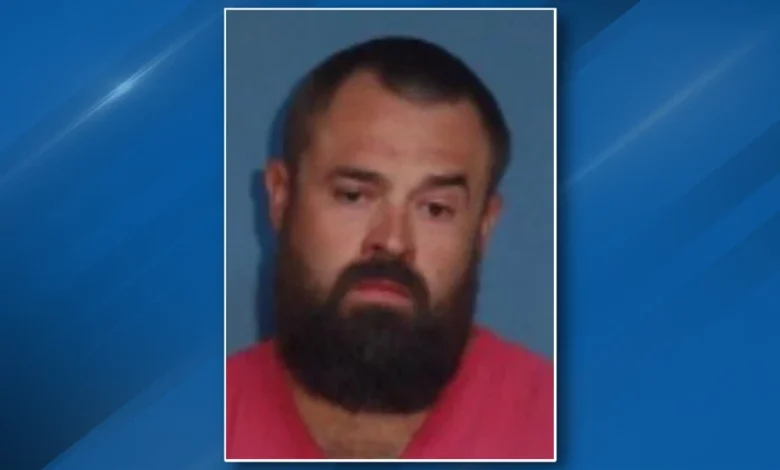
The shocking story out of Arkansas — a 14-year-old girl allegedly endangered by a repeat predator — is a stark reminder that children’s safety cannot be left to chance. While the father’s actions have ignited debate, the focus must remain on the systemic gaps that allowed a known offender to regain access to a vulnerable child. Every child has the right to life, safety, and protection, and this tragedy underscores the urgent need for robust laws, proactive monitoring, and swift enforcement to safeguard children from predators.
Children depend on adults, courts, and law enforcement to shield them from harm. When no-contact orders fail or enforcement lapses, the consequences are devastating. This case also demonstrates the emotional toll on families, highlighting the fear and helplessness parents face when the systems meant to protect their children fall short.
Experts and child-rights organizations consistently emphasize that preventive policies — including stricter supervision of offenders, real-time monitoring of no-contact orders, and enhanced coordination between law enforcement and child protection agencies — save lives. It is not just about punishment after harm occurs; it’s about building safeguards before tragedy strikes.
Social media attention to cases like this is critical. Public scrutiny pushes policymakers to act and reminds communities that children’s rights must remain a top priority. Every child deserves the assurance that predators cannot exploit gaps in the system — and that justice protects life first.
In the aftermath, one lesson is clear: society must prioritize prevention, not reaction. Children are entitled to environments where safety is guaranteed, threats are mitigated, and support is unwavering. Arkansas’s tragedy is a call to action for governments worldwide to strengthen child protection laws, enforce them rigorously, and ensure that no child ever finds themselves in the crosshairs of preventable violence again.