
Seconds of Distraction, A Lifetime of Trauma: 5-Year-Old’s Arm Trapped in Elevator Sparks Urgent Warning to Parents
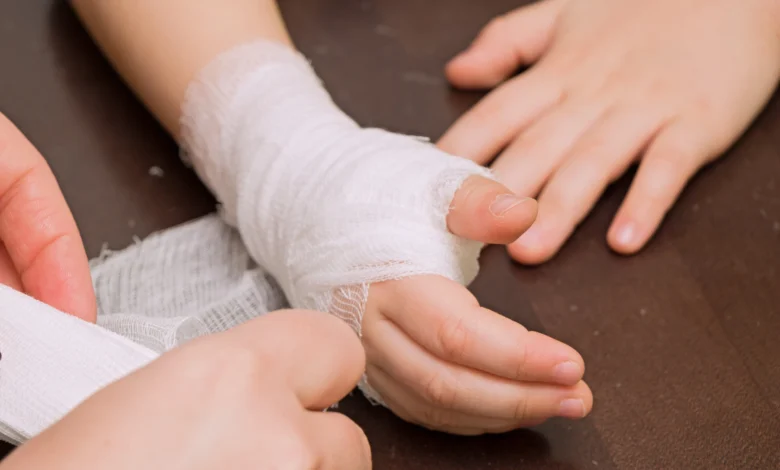
A routine elevator ride turned into a three-minute nightmare when a 5-year-old girl’s arm became trapped between a moving elevator door and wall inside a Hoboken apartment building. The terrifying incident has now led to a lawsuit and a powerful warning from her mother, who says what happened in those few moments could have ended far worse.
A Harrowing Incident That Shook a Family
Loni Garatziotis was visiting Hoboken, New Jersey, with her children when the accident occurred at 1450 Washington at Hudson Tea. As the elevator doors opened on the seventh floor, her daughter Zoe’s arm was pulled into a narrow gap between the door and the wall.
Friends scrambled to help. Lotion was used to free the child’s arm after other attempts failed. Emergency responders later transported her to a hospital, where she received 20 stitches.
A lawsuit has since been filed against the building’s management company and the elevator company, alleging negligence. Both companies have denied wrongdoing. The case remains pending in court.
But beyond the legal battle, a deeper message has emerged.
A Wake-Up Call for Parents Everywhere
Elevators are used daily. They are familiar. They feel safe. That familiarity can sometimes lower vigilance.
Children are naturally curious. They touch, lean, press buttons, and explore their surroundings. They do not understand mechanical risks. That responsibility rests entirely with adults.
Moments of distraction can be costly. In today’s world, parents are often pulled in multiple directions. Notifications buzz. Messages demand replies. Screens compete for attention.
When attention shifts to a phone, even briefly, a child may step closer to danger.
Incidents like this serve as a reminder that supervision is not passive. It must be active and intentional. Holding a child’s hand in tight spaces such as elevators, escalators, parking garages, and streets is not overprotection. It is prevention.
The Physical, Emotional, and Mental Impact
Physical injuries are visible. Stitches heal. Bruises fade.
But traumatic experiences can leave emotional marks that are less obvious. A frightening event involving pain and confinement can create anxiety. Children may develop fear of elevators or enclosed spaces. Sleep disturbances or clinginess can follow.
Painful injuries can also affect confidence. A child who once moved freely may become hesitant.
Protection is not only about preventing broken bones. It is about preserving a child’s sense of safety in the world.
The Hidden Cost of Digital Distraction
Digital devices have become constant companions for adults. While technology connects and informs, it can also divide attention.
A distracted caregiver may not notice a small hand resting on a closing door. A delayed reaction of even a few seconds can change outcomes.
Conscious parenting requires presence. Children need eyes on them, especially in transitional spaces where machinery or movement is involved.
This does not mean parents must live in fear. It means risk awareness must match the environment.
Simple Ways Parents Can Do Better
Small habits can prevent major harm:
-
Always hold a young child’s hand in elevators and near automatic doors.
-
Teach children early to stand back from doors and moving parts.
-
Avoid using a phone while entering or exiting elevators.
-
Position children in the center of the elevator, away from doors.
-
Model safe behavior consistently so it becomes routine.
Education also plays a role. Organizations such as the Elevator Escalator Safety Foundation emphasize leaving elevator doors alone and watching every step.
Prevention works best when it is proactive.
Protecting Children Upholds Their Rights
Every child has the right to safety, protection, and care. These are not abstract principles. They are daily responsibilities.
A child depends entirely on adults to create a secure environment. When protection is prioritized, children are given the freedom to explore and grow without unnecessary harm.
Safety is not accidental. It is built through awareness, supervision, and deliberate care.
This incident is a painful reminder that danger can exist in ordinary places. But it is also a call to action. When parents choose presence over distraction and caution over assumption, children are better shielded from preventable harm.
And in doing so, their fundamental right to safety is upheld.