Nigeria Launches $552M HOPE Education Drive to Transform Learning for 29 Million Children
The Federal Government’s $552.18 million HOPE for Quality Basic Education for All (HOPE-EDU) and HOPE-Governance programmes mark a major step toward fulfilling Nigerian children’s right to education and development. Over 29 million children are set to benefit, including those previously out of school, as the initiative addresses long-standing gaps in access, quality, and equity in basic education.
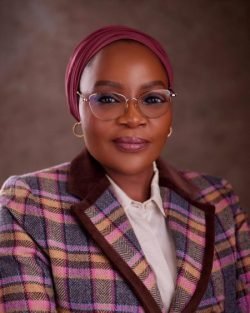
Executive Secretary of the Universal Basic Education Commission, Dr. Aisha Garba, emphasized that the programmes aim to improve learning outcomes, empower 500,000 teachers, construct 13,000 classrooms, and provide educational materials nationwide.
Beyond infrastructure, the initiatives focus on strengthening teacher capacity, enhancing teaching and learning resources, and supporting vulnerable children, including girls, children with special needs, and those in conflict-affected areas.
From a child rights perspective, HOPE-EDU directly supports the right to development by ensuring children can access quality education in safe, well-equipped environments. By targeting marginalized and out-of-school children, the programmes also seek to eliminate systemic barriers that have historically denied millions of Nigerian children their fundamental right to learn. The emphasis on result-based financing, transparency, and stakeholder engagement ensures that resources are effectively used to achieve tangible improvements in educational outcomes.
Dr. Garba noted that the programmes align with the Renewed Hope Agenda, highlighting that education is not charity but a cornerstone of democracy, social mobility, and economic growth. The phased rollout across regions, combined with rigorous monitoring through digital dashboards, underscores a commitment to accountability and sustained impact.
For Nigerian children, HOPE-EDU represents more than classrooms or textbooks. It is a pathway to knowledge, personal growth, and the ability to participate meaningfully in society.
By improving access, quality, and governance in education, the programmes reinforce the principle that every child has the right to develop to their full potential and set the stage for generations of empowered learners nationwide.