UNICEF Declares Play a Lifeline for Children’s Growth, Learning and Survival Amid Global Gaps in Participation
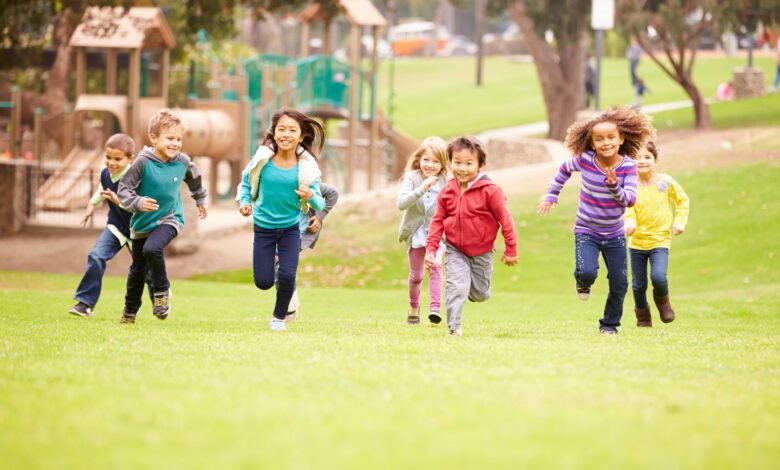
The statement by UNICEF, through its representative Lesley Miller, underscores the critical role of play in children’s development, describing it as a fundamental right that supports learning, health, resilience, and social participation rather than a mere leisure activity.
According to the statement, play begins shaping a child’s development from the earliest stages of life. For infants and toddlers, playful interactions help stimulate brain development while also strengthening emotional bonds with caregivers. These early experiences are seen as essential building blocks for cognitive growth and secure attachment, both of which influence long-term development outcomes.
As children grow, play continues to serve as a key platform for exploration and learning. For preschool-aged children, it provides opportunities to build curiosity, develop problem-solving skills, express creativity, and gain confidence. Through these interactions, children begin to understand their environment and engage actively in their own learning processes, reinforcing their right to participate in activities that affect their development.
The statement also highlights the importance of play for vulnerable children, noting that it offers a safe and supportive avenue for expressing emotions, coping with stress, and fostering inclusion. For many children facing difficult circumstances, play becomes a form of communication and a pathway to healing, helping them connect with others and feel a sense of belonging.
Drawing attention to caregiver involvement, the statement references data from North Macedonia, which shows significant gaps in parental engagement in playful learning, particularly among fathers. This disparity, UNICEF notes, points to the need for stronger support systems and parenting programmes that encourage both mothers and fathers to actively participate in their children’s early development.
The statement further calls for increased investment in pre-school education, parenting support programmes, and access to safe and inclusive play spaces. It emphasizes that playful parenting and early learning environments are not only beneficial for development but also help prevent harmful practices by strengthening positive caregiver-child relationships.
Ultimately, UNICEF’s message stresses that play is a societal priority that contributes to the realization of children’s rights. Ensuring access to play, the statement concludes, requires coordinated efforts from governments, communities, and institutions to create enabling environments where every child can learn, participate, and thrive.