
Toxic Plastic Chemicals Tied to Millions of Preterm Births and Thousands of Infant Deaths Worldwide
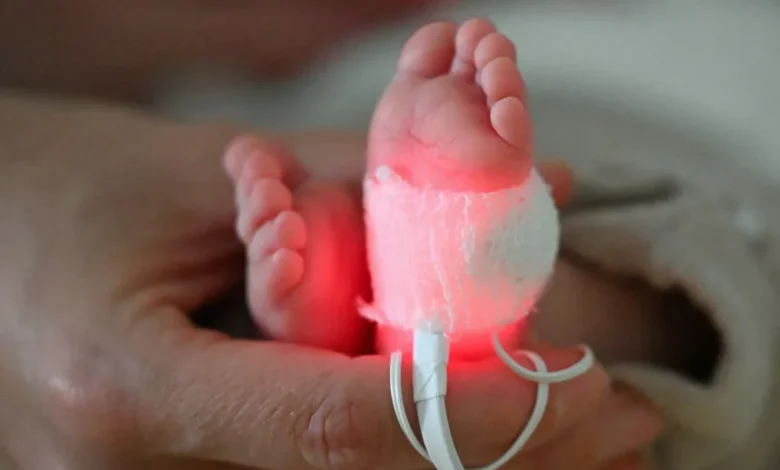
New research linking common plastic chemicals to millions of preterm births and thousands of infant deaths worldwide has raised fresh concerns about child protection and environmental health risks.
The study identified two widely used chemicals in plastics, di-2-ethylhexylphthalate (DEHP) and diisononyl phthalate (DiNP), as being associated with nearly 2 million premature births and about 74,000 newborn deaths globally in 2018. Premature birth, defined as birth before 37 weeks of pregnancy, remains a major risk factor for infant mortality and long-term developmental complications.
From a child safeguarding perspective, experts say the findings highlight the persistent exposure of unborn babies and young children to harmful substances found in everyday products such as food packaging, toys, personal care items, and household materials. These chemicals are known to interfere with the body’s hormone system, which plays a critical role in fetal development and early childhood growth.
Health specialists warn that exposure during pregnancy may contribute to placental complications, inflammation, and disruptions in nutrient transfer to the developing fetus, increasing the likelihood of early delivery. Infants born prematurely often require intensive medical care and may face challenges such as breathing difficulties, developmental delays, and sensory impairments.
The study also points to disparities in exposure, noting that regions such as Africa, the Middle East, and South Asia bear a significant share of the burden, where rapid urbanization and growing plastic use intersect with weaker regulatory controls.
Experts are calling for stronger safety regulations, improved product labeling, and safer alternatives in manufacturing to reduce exposure risks. They also stress that while individuals can take steps to limit contact with plastics, broader policy measures are essential to effectively protect children and pregnant women from harmful environmental chemicals.
The findings reinforce the need for coordinated global action to address chemical safety as a core component of child health and safeguarding strategies.