Lagos Children Struggle for Survival as Contaminated Water Fuels Health Crisis
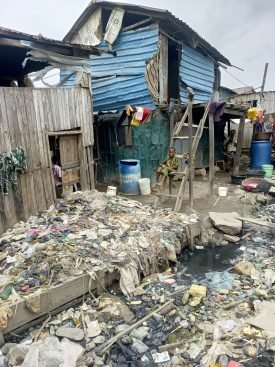
In Ago Egun, a riverine community in Bariga, Lagos, contaminated water is fueling a growing child protection and public health crisis. Children fall sick repeatedly, and families worry about their safety and survival.
A three-year-old child is among those affected. His mother, Rebecca, says he suffers frequent fever and catarrh. Health workers told her the illnesses come from germs in the community’s water.
Across the area, families depend on lagoon water and shallow groundwater. Unfortunately, both sources are polluted by waste and industrial discharge. Safe water remains out of reach.
Because of this, many children suffer from diarrhoea, typhoid, malaria, and skin infections. Health workers at CMS and Ashogbon health centres confirm this trend. They say most child cases relate to unsafe water use.
At Ashogbon Health Centre, a nurse explained that children often arrive with severe stomach problems. She linked the cases to contaminated drinking water in the community.
As illnesses continue, child protection concerns are rising. Frequent sickness disrupts school attendance and affects children’s development. Parents also live with constant fear and emotional stress.
Meanwhile, experts warn that the crisis goes beyond health. They say it reflects a wider failure in child safeguarding and basic infrastructure.
Community leaders recall earlier boreholes that still produced unsafe water. As a result, many residents now rely on expensive water vendors. Even then, safety is not guaranteed.
Public health experts describe the environment as dangerous for children. They link the problem to poor sanitation, open defecation, and weak urban planning.
They also stress urgent action. Children in such conditions need clean water, proper sanitation, and stronger community protection systems.
Despite government awareness of the issue, residents say little has changed. In Ago Egun, families continue to struggle daily. For many children, the lack of clean water remains a silent but serious threat.