
FG Overhauls Education Funding with Massive Student Data System, Sparks Child Protection Concerns
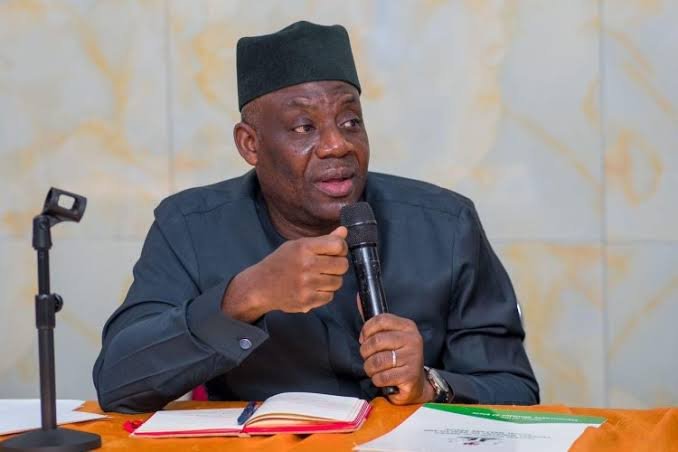
The Federal Government has introduced a new data-driven system for education funding and planning. Officials say it will improve learning outcomes across Nigeria. However, child protection and safeguarding experts are calling for stronger safeguards to protect learners.
Education Minister Tunji Alausa revealed that about 80 per cent of donor funding over the past decade went to the North-West and North-East. He made the disclosure at the Education World Forum in London.
Despite this funding, the regions still record the lowest literacy and numeracy outcomes. Because of this, the government is shifting to a new data-based allocation system.
“We now have the data to redirect resources where they deliver results,” Alausa said.
The new framework is powered by the National Education Data Initiative (NEDI). It already covers over 32 million students in 220,000 schools across 21 states.
Government officials say the system will improve planning and accountability. However, experts warn that large-scale student data systems must protect vulnerable children.
The platform brings together data from agencies such as UBEC, JAMB, WAEC, NECO, and NBTE. It will also introduce a National Learner Identity Number for every student.
Child protection advocates caution that sensitive learner data must not be misused. They are calling for strict access controls and clear governance rules.
Alausa also said the government is expanding foundational learning programmes nationwide. These include RANA and Teaching at the Right Level across several states.
In addition, he explained that the reforms aim to support both formal and non-formal learners. This includes out-of-school children returning to education.
However, safeguarding experts insist that reintegration programmes need more support systems. They recommend psychosocial care, trained teachers, and child-friendly monitoring.
Finally, they stress that education reforms must go beyond results. They say every policy must protect the safety, dignity, and wellbeing of every child.