
76 Days After the Borno School Abduction: The Child Safeguarding Questions Nigeria Must Answer
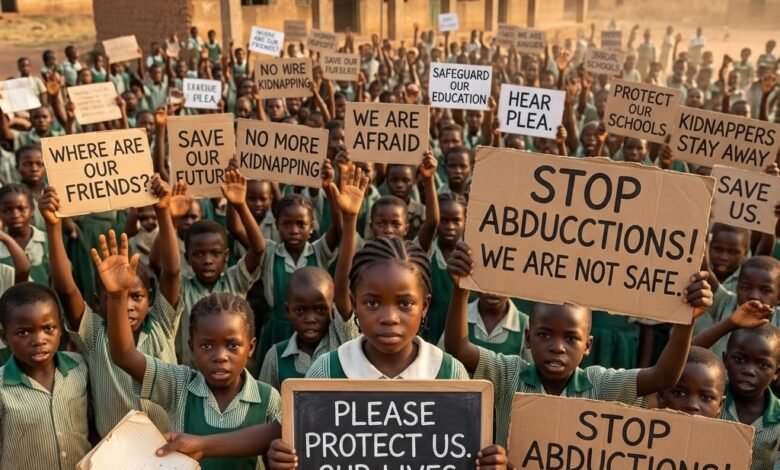
The question that needs as much attention as the search for the abducted children is whether Nigerian schools are truly ready to protect children when danger strikes, 76 days after 42 pupils were abducted from Mussa Primary and Junior Secondary School, Askira-Uba Local Government Area of Borno State.
The release of pupils and teachers kidnapped from three schools in Oriire Local Government Area of Oyo State after 60 days in captivity brought some relief to families but it was a reminder of an uncomfortable truth.
Regardless of whether children are ever recovered or they are still missing, the same vulnerability is revealed by every school abduction: safeguarding systems are only tested after an attack has taken place.
A Decade of Lessons Still Waiting to Be Learned
Nigeria has experienced several school attacks. In 2014, the world was shocked by the abduction of 276 Chibok school girls. Four years later, 110 girls were abducted from Dapchi, Yobe State. Large-scale school kidnappings have also occurred in other states in recent years, such as Kaduna, Katsina, Niger and Zamfara, where temporary school closures and the disruption of the education of thousands of children have been reported.
However, incidents against schools have persisted, indicating that learning from previous incidents has not been fully realised in the development of safeguarding systems. Records cited by the Nigerian government indicate that over 1,400 school children were kidnapped from schools in Nigeria from 2014 to 2024.
The recent attacks in Borno and Oyo show that vulnerability is not a function of geography. Although Borno has been plagued by insurgency for several years, and Oyo by criminal kidnappings, both incidents show that schools in various regions need to be well equipped with child protection measures before crises happen.
Safeguarding Is More Than Security
Safeguarding is often limited to armed guards or perimeter fencing. Actually, protecting is a wider child protection role. It covers school-specific risk assessments, emergency response plans, communication channels with parents, regular safety drills, trained teachers, psychosocial support for impacted children, and coordination between schools, security agencies, emergency responders and child protection services.
Nigeria has signed the Safe Schools Declaration of 2015 to ensure the protection of learners, teachers and educational facilities in armed conflict.
However, experts and civil society groups persist in their concerns about the uneven implementation of the policy, especially in rural and conflict-affected areas where children are most vulnerable.
The Question Every State Should Answer
The Borno pupils are now in school for 76 days without their families. If they are still not there, it should be more than a call for rescue. It should prompt a re-thinking of school safeguening across the nation.
Is it possible for all states to identify schools at highest risk? Are teachers aware of what to do in the event of an attack? Do parents participate in emergency communication plans? Are safeguarding audits a regular occurrence or just a conversation after the event?
Nigeria’s response to school attacks will remain reactive until all these questions can be answered with confidence.
The release of the Oyo pupils has demonstrated that it is possible to achieve recovery when it is done with determination. The prolonged abductions of the Borno pupils is a reminder to the country that protection must start safeguarding. It needs to start well before the first shot is fired or the first child is taken.