Hardship Forces Jigawa Almajiri Pupils to Work for Food as Charity Declines
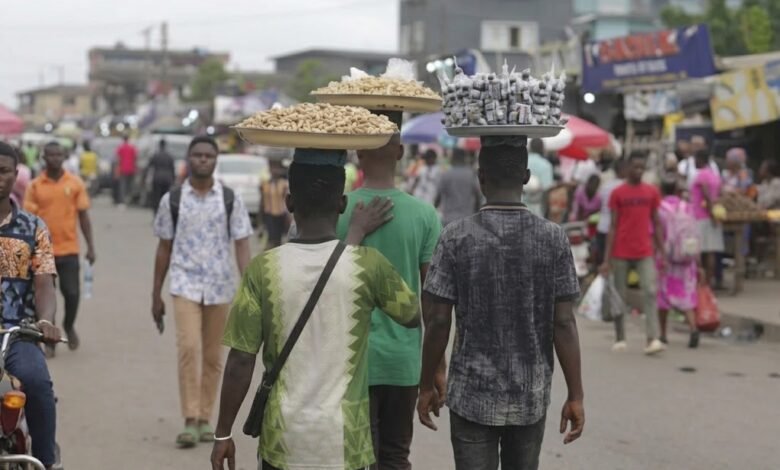
Almajiri pupils in Jigawa State are increasingly struggling with hunger as economic hardship and rising food prices reduce the supply of free meals traditionally provided by community members.
Findings by Arewa PUNCH in Dutse and other major towns revealed that households that once regularly fed pupils attending traditional Islamic schools, known as Tsangaya, are cutting back on donations because of the difficulty of feeding their own families.
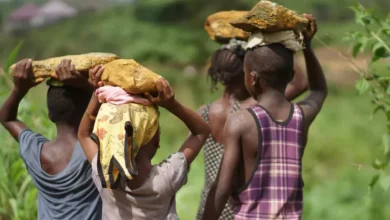
Consequently, many pupils have resorted to menial jobs to obtain food. Some fetch grass for cattle rearers, gather firewood, wash plates, fetch water, repair shoes and dispose of refuse in exchange for meals.
Twelve-year-old Musa Ibrahim, a pupil in Dutse, said he sometimes spent hours searching for food without success. Another pupil, 10-year-old Sani Umar, explained that he now fetches grass before receiving food, while 13-year-old Abubakar Dahiru earns meals by washing plates and fetching water.
The development has also affected Islamic education, with some Tsangaya school heads reporting that pupils spend more time searching for food than learning and reciting the Qur’an.
Civil society activist Musbahu Basirka urged the government, traditional rulers and wealthy individuals to provide sustainable feeding arrangements and support for vulnerable pupils.
However, the Jigawa State Tsangaya School Board Executive Secretary, Dr Abubakar Maje, said the government was already implementing interventions to address the situation.
According to him, approximately 10,000 pupils receive three meals daily, while another 4,180 benefit from interventions in model Tsangaya schools.
He added that plans were underway to support 130 integrated Tsangaya schools, serving about 17,000 pupils, with farming inputs and monthly stipends for school heads to improve food production and reduce dependence on begging.