International Day for Disaster Risk Reduction 2026: UN Urges Safer Homes to Protect Children, Families
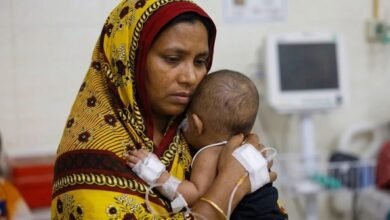
Disasters can affect children’s lives long after the immediate danger has passed. When a family loses its home, children may be forced to leave their schools, lose access to essential services and experience uncertainty about their future.
Flooding can destroy houses and contaminate water supplies, while extreme heat can make poorly ventilated homes uncomfortable and potentially dangerous. Homes built in high-risk areas without adequate protection may also leave families more exposed to these hazards.
The UNDRR campaign stresses that families should not have to choose between a home they can afford and one that can keep them safe.
It also highlights the importance of investing in disaster prevention before emergencies happen. Building safer homes and strengthening existing structures can cost far less than repairing or rebuilding them after a disaster.
Communities Are Finding Solutions
Across the world, communities are exploring different ways to make homes more resilient.
In the Philippines, some families are moving to safer homes to reduce their exposure to disaster risks. In West Africa, traditional earthen building techniques have helped communities construct homes that stay cooler in hot weather.
These examples show that protecting people does not always require complicated solutions. Safer construction, suitable building materials and better planning can make a meaningful difference when adapted to local conditions.
Governments have an important role to play by enforcing building standards, improving community planning and ensuring that homes are not constructed in highly dangerous locations without adequate protection.
Businesses, local leaders and residents must also work together to make safety a priority.
Children and Families Must Be Prepared
Building resilient homes is only part of disaster preparedness. Families also need reliable information about possible dangers and clear instructions on what to do when warnings are issued.
A warning is useful only when it reaches people, is understood and leads to action. Children should know whom to contact during an emergency, where to go if they need to leave home and how to follow safety instructions from trusted adults.
Schools and communities can support this effort by teaching children about floods, extreme weather and other local hazards in age-appropriate ways.
The International Day for Disaster Risk Reduction was established in 1989 following a United Nations General Assembly initiative to promote awareness and a global culture of disaster prevention.
Today, its message remains important: preparing for disasters must begin before danger arrives.
Every child deserves a safe place to call home. By investing in stronger homes, better planning and disaster education, governments and communities can help protect children’s lives and build a more resilient future.