
“Chief Kachindamoto: The Malawian Leader Who Took on ‘Child Marriage’ and Inspired the World”
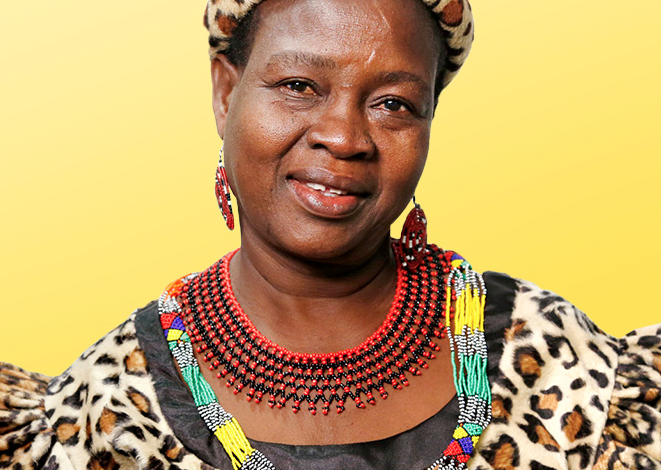
As global communities mark celebrations of women and the progress made in advancing rights, the life and work of the late Chief Theresa Kachindamoto of Malawi remain a beacon of child protection and safeguarding. Revered as “The Terminator” for her fearless leadership, Chief Kachindamoto took bold action to dismantle harmful traditions by annulling more than 1,500 instances of “child marriage” in her Dedza district. Her work ensured that countless girls could return to school and continue their education, a fundamental right and critical protection against exploitation, early motherhood, and poverty.
Malawi has long grappled with high rates of “child marriage.” An estimated 38% of girls were married before age 18, according to recent UNICEF data, which demonstrates the scale of the problem she confronted at the community level.
Chief Kachindamoto’s approach went beyond pronouncements; she engaged traditional leaders, families, and local stakeholders to shift cultural attitudes that had normalized “child marriage,” creating safer environments where children could remain in school and develop into healthy adults.
The Global Burden of “Child Marriage”
Chief Kachindamoto’s work resonates far beyond Malawi. Worldwide, around 650 million women and girls alive today were married before age 18, and every year approximately 12 million girls are married as children. These unions severely undermine children’s rights to education, health, and protection, expose them to early pregnancy and related health risks, and often trap families and communities in cycles of poverty.
In Nigeria, for example, roughly 44% of girls are married before 18, amounting to over 24 million girls affected by this violation of their rights. The United Nations and child protection advocates continue to highlight that the pace of progress must accelerate to meet global goals to end “child marriage” by 2030.
Even in high-income countries issues persist: some U.S. states until recently allowed marriage under 18 with parental or judicial consent, underscoring that legal protections alone are not enough without cultural and community change.
Education as a Protective Force
Chief Kachindamoto often said, “When girls are educated, everything is possible.” Her focus on returning girls to school was rooted in safeguarding principles: education increases awareness of rights, strengthens economic resilience, and builds protective social networks. Educated girls are less likely to be forced into early marriage, experience violence, or suffer severe health complications associated with adolescent pregnancy.
Education also empowers communities. Through the equipping of both boys and girls with knowledge, societies can challenge traditions that perpetuate harm and instead foster environments where children are valued and protected.
The Role of Parents, Communities, and Leaders
Parents and caregivers play a foundational role in child protection. Guardians must understand that delaying marriage and supporting education for children, not just girls but all children, helps protect their health, development, and future opportunities. Engaging families in awareness programs, counseling, and community dialogues can reduce harmful practices and reinforce protective norms.
Traditional, religious, and community leaders also hold influence. Chief Kachindamoto demonstrated that when leaders prioritize children’s rights and safety, cultural shifts can follow. By publicly condemning “child marriage” and championing education, leaders can shape social expectations and behaviors.
Communities, too, must be vigilant. Awareness campaigns, safe reporting channels for at-risk children, and consistent enforcement of protective laws can build layers of protection that make exploitation and early marriage less likely.
Sustaining Progress in Child Protection
Ending “child marriage” and protecting children’s rights requires sustained effort on multiple fronts: government legislation, community engagement, education access, parental support, and cultural transformation. Chief Theresa Kachindamoto’s legacy shows that courageous leadership can disrupt entrenched practices and expand opportunities for children to grow safely and thrive.
Her work continues to inspire activists, policymakers, and communities around the world to accelerate progress, uphold children’s rights, and ensure that every child has the chance to experience childhood free from harm and with access to education, health, and dignity.