Child Protection Concerns Intensify as NAFDAC Defends Sachet Alcohol Ban Amid Calls for DG’s Removal
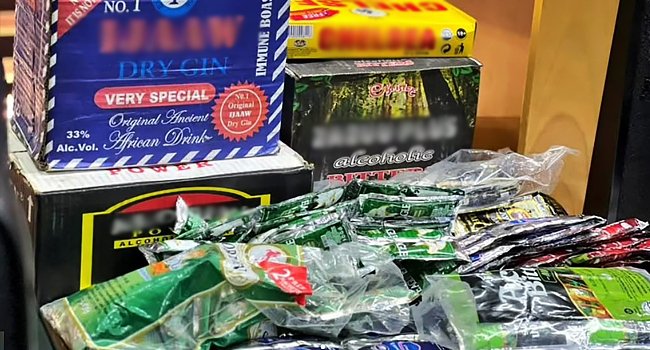
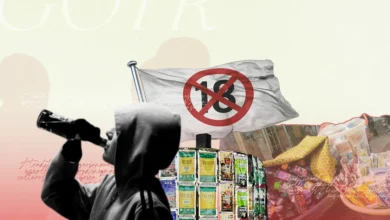
As protests continue over the enforcement of the ban on sachet alcohol and small-volume alcoholic drinks, new data from the National Agency for Food and Drug Administration and Control (NAFDAC) has renewed focus on the child protection implications of the policy.
Speaking during a recent briefing in Abuja, NAFDAC Director-General, Prof. Mojisola Adeyeye, said the restriction on alcohol in sachets and small PET bottles is aimed at reducing children’s access to alcohol.
According to survey findings cited by the agency, about half of Nigerian children consume alcohol, with many able to obtain it directly from retailers.
The survey, which sampled about 2,000 respondents across the six geopolitical zones, found that 54.3 per cent of underage respondents obtained alcohol by themselves, while 49.9 per cent purchased it from retailers selling sachets and small bottles. Nearly half of those who buy alcohol independently prefer sachets because they are inexpensive and easy to conceal.
Adeyeye warned that early exposure to alcohol can pose serious risks to children’s health and development. According to her, alcohol consumption at a young age can damage parts of the brain responsible for memory, learning, and impulse control, potentially leading to long-term cognitive and behavioural challenges.
Child protection advocates say the findings highlight broader safeguarding risks linked to the easy availability of alcohol in small, low-cost packages. Public health experts also note that children who begin drinking before the age of 15 are significantly more likely to develop alcohol dependence later in life.
While civil society groups protesting the ban argue that the policy threatens jobs and economic activity, child welfare experts emphasise that regulatory decisions must also prioritise the safety and wellbeing of children.
NAFDAC said enforcement of the ban will be carried out in collaboration with the National Orientation Agency and the Federal Competition and Consumer Protection Commission, alongside nationwide awareness campaigns aimed at reducing children’s access to alcohol and promoting healthier communities.