International Wellness Day: Strengthening Child Protection and Wellness Through Preventive Health Systems

International Wellness Day, observed globally on 15 April under the United Nations framework, promotes a preventive and people-centred approach to health that prioritises long-term well-being over reactive treatment. At its core, the observance advances the idea that sustainable health systems must focus on prevention, inclusion, and holistic care, principles that are closely linked to child protection and wellness.
From a safeguarding perspective, child protection and wellness are deeply interconnected. A child’s safety is not defined only by the absence of abuse or harm, but also by access to nutrition, healthcare, emotional stability, and a secure living environment. International Wellness Day reinforces this broader understanding by encouraging societies to invest in systems that address the root causes of vulnerability, including poverty, poor healthcare access, and social inequality.
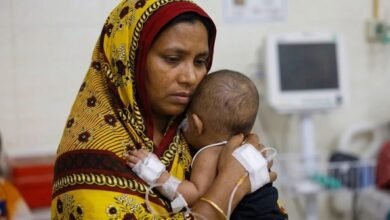
The United Nations highlights that wellness approaches reduce pressure on healthcare systems while improving population health outcomes. For children, this translates into stronger preventive care structures such as immunisation programmes, mental health support, and early intervention services. These systems play a crucial role in identifying risks early and reducing exposure to neglect, exploitation, and preventable diseases.
The integration of traditional knowledge and modern healthcare practices also contributes to child protection and wellness, particularly in communities where formal services may be limited. By recognising culturally grounded health practices alongside evidence-based medicine, wellness frameworks become more accessible and responsive to the needs of families and children in diverse settings.
International Wellness Day also aligns with Sustainable Development Goal 3, which focuses on ensuring healthy lives and promoting well-being for all ages. Within this goal, child health is a priority area, emphasising maternal care, disease prevention, mental health, and equitable access to services. These elements collectively form the foundation of effective child protection systems.
Ultimately, strengthening child protection and wellness requires a shift from crisis response to prevention. By investing in holistic wellness systems, societies create safer environments where children are not only protected from harm but are also supported to thrive physically, mentally, and socially.