Tragedy in Lagos: Mother of Quadruplets and Newborn Die as Hospital Bill Raises Fresh Maternal Health Alarm
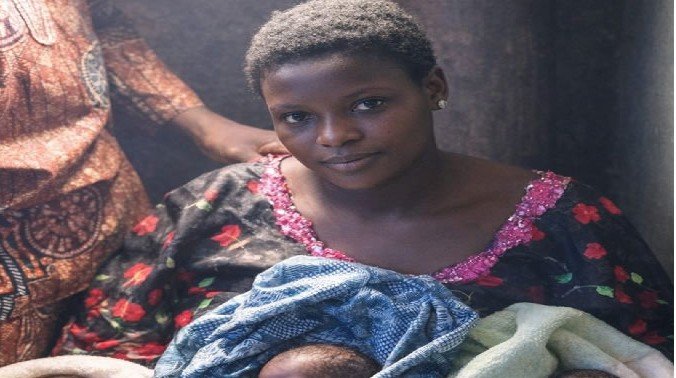
A tragic case in Lagos State, where a 28-year-old mother of quadruplets, Mrs. Charity Anani, died shortly after delivery alongside one of her newborns, has renewed attention on how maternal health directly influences child survival, health outcomes, and long-term development.
Mrs. Anani delivered quadruplets on February 27, 2026, at a private hospital in Igando, Lagos State, following a caesarean section. According to family accounts, complications emerged after delivery, with one of the newborns requiring intensive care in an incubator. The family also faced significant financial pressure, with a hospital bill reportedly estimated at N3 million, part of which remained unpaid.
Her condition worsened on April 2, 2026, when she developed severe breathing difficulties and was placed on oxygen support. She died the following morning. One of the newborns in the incubator also died before her passing, while three surviving babies are currently stable and being cared for by relatives.
The case has raised broader concerns among health observers about how maternal health outcomes are closely tied to newborn survival and child development. Experts note that when a mother experiences complications during pregnancy or delivery, the risks to newborns increase significantly, particularly in cases involving multiple births, premature delivery, or limited access to continuous medical care.
Maternal health is widely recognised as a foundation of child health and development. A mother’s survival, nutritional status, and access to timely obstetric care directly affect a child’s chances of survival in the first days of life, as well as long-term outcomes such as growth, cognitive development, and emotional well-being.
Health advocates also stress that financial barriers to healthcare can worsen maternal and infant outcomes. Delays in treatment or interruptions in care due to inability to pay can escalate complications that might otherwise be managed effectively with timely intervention.
The Lagos incident underscores why maternal health remains a critical public health priority. Strengthening access to affordable emergency obstetric care, improving health insurance coverage, and ensuring continuity of care for high-risk pregnancies are seen as essential steps in reducing preventable maternal and infant deaths.
Ultimately, the case highlights a fundamental public health reality: protecting mothers is inseparable from protecting children, and investments in maternal healthcare remain one of the most effective ways to improve child survival and long-term development outcomes.