Meningitis Kills 33 Children in Sokoto: What Every Parent Must Know to Protect Their Child

A deadly outbreak of cerebrospinal meningitis in Sokoto State has claimed the lives of at least 33 children, raising serious concerns about child protection, access to healthcare, and community safeguarding measures.
The outbreak, which has spread across eight local government areas, has infected more than 250 people, with children and teenagers among the worst affected. Health authorities confirmed that many of the deaths occurred before victims were taken to medical facilities, highlighting the dangers of delayed treatment and misinformation within communities.
According to the state Commissioner for Health, Dr. Faruk Abubakar, the highest number of cases has been recorded in Sabon Birni, Wamakko, Shagari, Tambuwal, and Dange Shuni local government areas. Isolation centres have now been established in Dogo Daji and Tambuwal in collaboration with Médecins Sans Frontières to provide emergency treatment.
Health experts say the outbreak is being worsened by overcrowding, poor awareness, extreme heat conditions, and delays in seeking medical care. In several communities, residents reportedly believed the illness had spiritual causes, leading families to avoid hospitals until symptoms became severe.
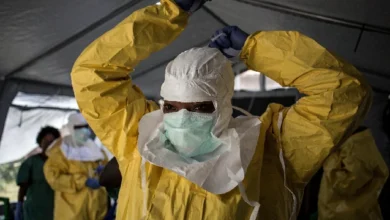
Medical personnel at the isolation centres revealed that new patients continue to arrive daily, including children in critical condition. Although treatment is being provided free of charge, authorities fear the number of infections could rise further if urgent preventive action is not taken.
Professor Bello Magaji Arkilla of Usmanu Danfodiyo University Teaching Hospital warned that northern Nigeria remains part of the “meningitis belt,” where weather conditions make outbreaks more common, especially among children and young people with weak immunity.
He stressed that early symptoms such as fever, severe headache, neck stiffness, vomiting, and unconsciousness should never be ignored.
Why This Is a Child Protection Emergency
Beyond the health crisis, the outbreak exposes wider child safeguarding concerns. Children in rural and overcrowded communities are especially vulnerable when families lack accurate health information or access to urgent medical care.
Delayed treatment places children at risk of death, disability, hearing loss, and long-term neurological complications. Fear, misinformation, and poverty can also prevent caregivers from seeking timely support.
Experts say protecting children during disease outbreaks requires more than medical treatment. It also demands community awareness, rapid response systems, trusted healthcare communication, and stronger support for vulnerable families.
What Government Must Do to Safeguard Children
Authorities must strengthen emergency healthcare responses in affected communities by expanding treatment and isolation centres, especially in remote areas where children are most at risk.
The government should also:
- Increase emergency vaccination campaigns in high-risk communities.
- Deploy more healthcare workers and child health specialists to affected areas.
- Launch public awareness campaigns in local languages to counter misinformation.
- Ensure free and accessible transportation for sick children to hospitals.
- Improve disease surveillance and rapid response systems in schools and communities.
- Provide psychosocial support for families who have lost children or are caring for infected relatives.
What Communities Must Do
Community leaders, religious leaders, and local organisations play a critical role in protecting children during outbreaks.
Communities should:
- Encourage families to seek medical help immediately symptoms appear.
- Stop spreading myths that meningitis is caused by spiritual attacks or curses.
- Support vaccination campaigns and public health education.
- Reduce overcrowding where possible, especially in sleeping areas.
- Help identify sick children early and refer them to healthcare facilities quickly.
What Parents and Caregivers Must Do
Parents are being urged to remain vigilant and act quickly when children show signs of illness.
Caregivers should:
- Watch for symptoms such as high fever, neck stiffness, vomiting, convulsions, or unusual sleepiness.
- Take children to the nearest health facility immediately instead of relying on self-medication.
- Ensure children sleep in well-ventilated spaces.
- Maintain good hygiene practices at home.
- Allow children to receive recommended vaccines and medical treatment.
Health officials continue to warn that early diagnosis and treatment remain the strongest protection against meningitis-related deaths among children.
Many families still mistake meningitis symptoms for malaria or spiritual attacks. How do you think communities can improve awareness before more children die?