Nigeria Leads World in Sickle Cell Cases Among Children, Over 1.5 Million Affected
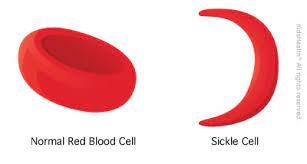
Nigeria is now at the center of a growing child health emergency, with over 1.5 million children living with sickle cell disease. From a child protection and safeguarding perspective, this is more than a medical issue. It points to gaps in early care that leave many children exposed to preventable suffering and early death.
A key concern is delayed diagnosis. Many children are only identified after severe complications appear, which means they miss the chance for early, low-cost interventions that could keep them healthy. Without newborn screening and routine follow-up care, children are left vulnerable during their most critical years, especially under age five.
There’s also an access problem. Basic, proven treatments such as vaccinations, malaria prevention, and medications like hydroxyurea are not consistently reaching those who need them. This uneven access creates a situation where a child’s survival can depend heavily on where they are born or the resources of their family, raising clear equity and safeguarding issues.
From a protection standpoint, this is about the right to survival and development. When systems fail to provide early diagnosis and essential care, children are effectively left unprotected from a known, manageable condition. It increases their risk of chronic pain, disability, and preventable death.
The report highlights a practical path forward. Integrating sickle cell screening and care into routine maternal and child health services would act as a safeguard, ensuring children are identified and treated early. Strengthening primary healthcare systems and data tracking would also help catch cases sooner and monitor outcomes.
At its core, this is a call to treat sickle cell disease as a child safeguarding priority. With the tools already available, many of these children could live longer, healthier lives if systems are strengthened to protect them from the start.