
Over 40 Schoolchildren Still Held in Nigeria After Borno, Oyo Attacks as Rescue Efforts Stall
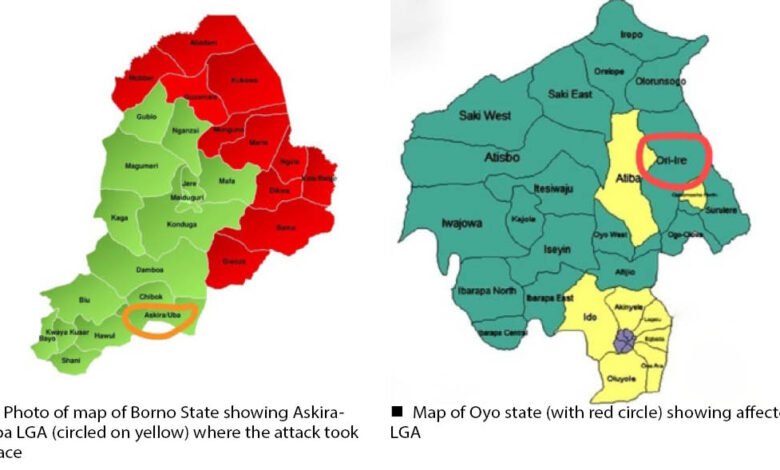
Child protection concerns are rising in Nigeria as over 40 abducted schoolchildren remain in captivity following recent attacks in Borno and Oyo States. Days after the incidents, families are still waiting for updates on rescue efforts. The situation has renewed focus on school safety and safeguarding gaps.
Armed groups attacked schools in Nigeria, targeting locations in Borno State and Oyo State. They took pupils, teachers, and school leaders during school hours. Many children were in class when the attackers struck. The raids disrupted learning and created panic in affected communities.
In Borno, the attack hit a community in Askira-Uba Local Government Area near the Sambisa Forest. Residents said armed men entered the school and forced children into nearby bush paths. They used motorcycles and moved quickly through the area.
Security response came too late to stop the abduction. Community members say there was little warning before the attack. As a result, children and teachers had no chance to escape safely.
From a safeguarding perspective, the incidents expose serious weaknesses. Many schools lack strong perimeter protection. Early warning systems also appear weak in high-risk areas. Coordination between schools, communities, and security agencies remains limited.
Families affected by the attacks report poor communication from authorities. They say they have received little structured support. Many parents continue to wait for clear information about their children. This has increased emotional distress in affected households.
In Oyo State, attackers also struck multiple schools. They abducted pupils and staff, including school leaders. The violence has raised concerns about the safety of education spaces in the region.
Some victims have appeared in distress messages from captivity. These reports have deepened public anxiety. They also highlight the urgency of coordinated rescue efforts.
Child protection experts warn of long-term risks. Children face trauma, disrupted education, and possible exploitation. These risks grow when responses are delayed.
Therefore, experts are calling for stronger school protection systems. They also want faster rescue coordination and better reintegration plans for recovered children. Above all, they stress the need to treat schools as safe spaces that must be protected at all times.