Nigeria Urged to Take Full Control of SARMAAN Project as 13 Million Children Benefit from Life-Saving Intervention

Health experts and government officials in Nigeria are calling for stronger national ownership of the SARMAAN Project to improve child survival and safeguard young lives. The Safety and Antimicrobial Resistance of Mass Administration of Azithromycin Among Children 1–59 Months (SARMAAN) initiative is part of Nigeria’s commitment to the regional Resiliency through Azithromycin for Children (REACH) Network, which focuses on reducing under-five mortality through evidence-based interventions.
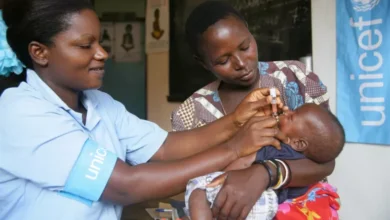
Since 2024, SARMAAN II has reached over 13 million children across ten high-risk states, including Adamawa, Gombe, Yobe, Bauchi, Kaduna, Kano, Jigawa, Katsina, Kebbi, and Sokoto. Nineteen rounds of Mass Drug Administration (MDA) have been successfully implemented, distributing over 5.7 million bottles of Azithromycin, with no serious adverse events reported. Experts emphasize that survival is a fundamental right for Nigerian children and that government-led implementation is key to sustaining progress.
Stakeholders at a high-level roundtable urged the integration of SARMAAN II into Nigeria’s Child Survival Action Plan, stressing that research alone is insufficient without coordinated policy action. Advocates called for domestic financing, community engagement, and inclusive governance structures to ensure the program benefits all children, especially those in underserved regions.
SARMAAN builds on proven interventions in Niger, Tanzania, and Malawi, where similar programs reduced child mortality by up to 13.8 percent. By generating country-specific evidence and strengthening state and community ownership, the initiative not only targets preventable deaths but also reinforces child protection measures, ensuring that vulnerable children have access to lifesaving interventions. Experts agree that Nigeria must take full ownership to protect its youngest citizens and secure the nation’s future.
This effort highlights the critical link between health interventions, child survival, and safeguarding, demonstrating that coordinated national action can dramatically improve the lives of children in high-risk settings.