
Only 30% in School, 20 Million Out of Class: Northern Nigeria’s Education Crisis Threatens Children’s Right to Development
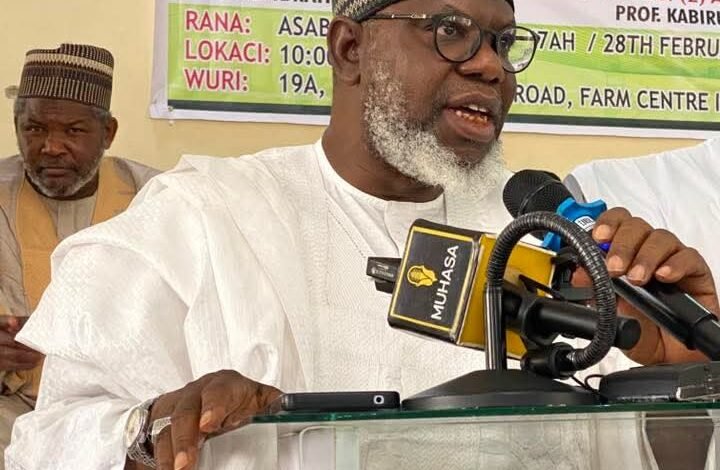
Only 30 percent of school-age children in Northern Nigeria are currently in school, according to Prof. Salisu Shehu of the National Educational Research and Development Council. With more than 20 million children out of school nationwide, the region faces a deepening crisis that strikes at the heart of a child’s right to development.
Education is not just classroom attendance. It is the foundation for literacy, critical thinking, economic opportunity, and social participation. When schools close due to insecurity in the North-West and North-East, children lose more than lessons.
They lose structure, protection, and pathways to a better future. Armed banditry, insurgency, and displacement are disrupting education at scale, leaving millions vulnerable to poverty, exploitation, and recruitment into violence.
Prof. Shehu also warned of systemic weaknesses. Teacher shortages, examination malpractice, and weak oversight are eroding quality. When compromised academic standards produce underprepared teachers, the cycle deepens. Children may be physically present in classrooms, yet denied meaningful learning. The right to development demands both access and quality.
Speakers at the forum linked the education crisis to broader instability. Persistent almajiranci, youth unemployment, and economic hardship create conditions where children grow up without the skills needed to participate productively in society. Development stalls not only for individuals, but for entire communities.
What has been done so far remains fragmented. Calls for a state of emergency in education, improved funding, reform of examination systems, and community-based education endowments reflect recognition of the scale of the challenge. But rhetoric must translate into sustained investment, safer schools, trained teachers, and accountability.
Protecting a child’s right to development in Northern Nigeria requires coordinated security responses, education reform, poverty reduction, and political will. Without urgent, consistent action, a generation risks being defined not by its potential, but by opportunities denied.