
Are Rising School Fees Putting Nigeria’s Children at Risk?
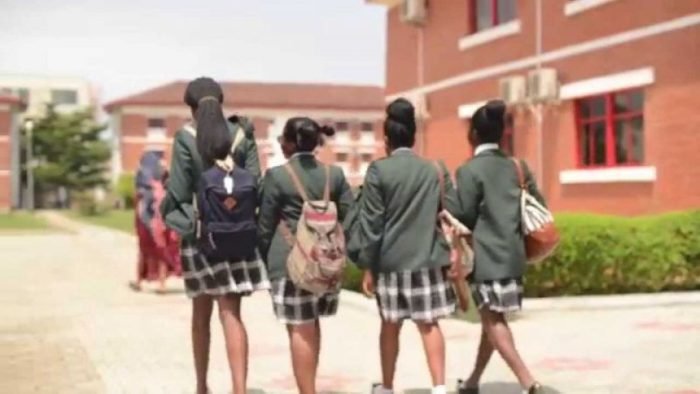
Rising education costs in Nigeria are raising growing concerns about child safeguarding, as more families struggle to keep children in school and experts warn of an increasing risk of dropout and exposure to vulnerability.
Private school operators across the country have increased fees by more than 30 per cent, while transport and related costs have also risen sharply. These changes are placing significant pressure on households already affected by inflation, unemployment, and the high cost of living.
From a child protection perspective, the financial strain is becoming a key risk factor for education disruption. Safeguarding experts warn that when children are withdrawn from school or unable to enrol due to cost, they face increased exposure to exploitation, child labour, early marriage, and other forms of neglect linked to out-of-school status.
Many parents are now transferring children from private schools to public schools, while others are delaying school resumption or considering withdrawal altogether. Reports also indicate that transport costs have doubled in some areas, further limiting access to consistent education.
Education stakeholders note that public schools remain more affordable but continue to face infrastructure and funding challenges. Although tuition fees are lower, system-wide pressures, including inflation and reduced government funding, have affected service delivery and capacity.
Child safeguarding experts emphasize that education is a core protective factor for children. When access to schooling is disrupted, children lose not only academic opportunities but also a key layer of protection provided by structured environments, supervision, and early identification of risk.
They warn that Nigeria’s already high number of out-of-school children could increase if current economic pressures persist. Data from education agencies and international organisations indicate millions of children are already outside formal schooling systems, raising long-term safeguarding concerns.
Parents interviewed expressed frustration over rising costs, with some stating they can no longer afford tuition and transport fees. Others said they are considering withdrawal despite concerns about the quality and safety of alternative options.
Private school associations say rising fuel prices, inflation, and operational costs have made fee increases unavoidable. They also warn that teacher retention is becoming difficult, further affecting the stability of learning environments.
However, child protection specialists stress that cost-related barriers to education are not only an economic issue but also a safeguarding concern. They argue that when education becomes inaccessible, the risk of harm to children increases significantly, particularly in low-income households.
They are calling for stronger policy intervention, including targeted subsidies, improved public school investment, and social protection measures to ensure that no child is excluded from education due to financial hardship.
Ultimately, experts say protecting children requires more than access to schools, it requires ensuring that education remains affordable, stable, and accessible, even in periods of economic pressure.