
Unsafe in Their Own Homes: When Fathers Prey on Daughters
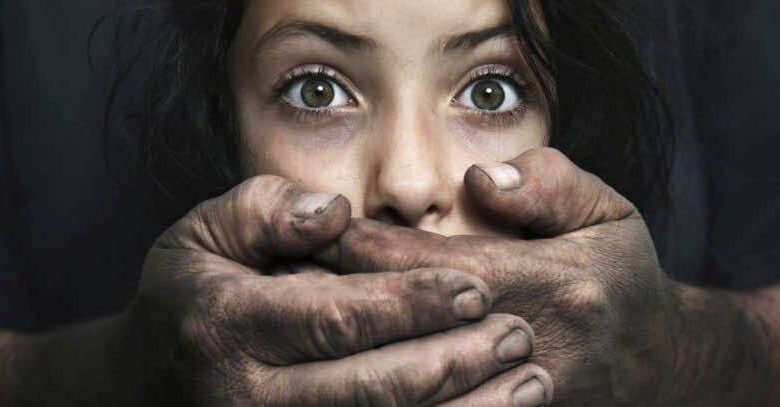
In homes across Nigeria, a silent epidemic festers, one that hides behind closed doors, cloaked in shame and silence. It is the story of children, especially girls, betrayed by the very people meant to protect them: their fathers, stepfathers, and trusted adults.
These are not isolated incidents. They are part of a disturbing pattern of incest and sexual abuse that continues to surface in police reports and courtrooms, revealing the depth of a crisis that has long been ignored.
One such case involved a 10-year-old girl in Ondo State. Her father, Adebowale Adegboye, allegedly raped her. Years later, her stepfather, Idowu Akinseye, reportedly violated her, too.
By the time she was rescued, she had already undergone an abortion, allegedly performed by a medical doctor, Israel Ojo. All three men were arrested and charged in court, facing counts of incest, abortion, and indecent assault.
But her story is tragically familiar. In Bauchi, a 17-year-old girl was repeatedly raped by her father, Umar Sule, while her mother was away. She became pregnant, and only when her mother returned did the truth emerge.
In Ogun State, a five-year-old girl complained of pain, revealing that her father had assaulted her. In Lagos, a 61-year-old man, Eke Kanu, allegedly impregnated his daughter and took her to terminate the pregnancy. Another father, Chibuike Kalu, confessed to defiling his 14-year-old daughter.
The pattern is unmistakable: threats to keep the child silent, pregnancies concealed through abortion, and years of abuse before anyone speaks out. Even when cases reach the courts, they often do so years after the crimes occurred.
At the Ikeja Special Offences and Domestic Violence Court, Taiwo Oyelabi is being tried for raping his daughter, who was four months pregnant at the time of his arrest. His other daughter fled home to escape his advances.
Legal experts and child advocates warn that these cases are not about lust; they are about power and control. Bisi Ajayi-Kayode, Executive Director of the Cece Yara Child Advocacy Centre, has worked with countless survivors. She explains that perpetrators exploit the trust and dependence children have in them. “It’s not about attraction,” she says. “It’s about dominance. They know these children depend on them and trust them, and they exploit that trust.”
Ajayi-Kayode recalls a case that still haunts her, a 13-year-old girl who thought her father’s abuse was a form of affection.
Only when she reached secondary school did she realize the truth. “She thought it was father-daughter love,” Ajayi-Kayode said. “It was only when she got older, learned more in school, and heard others speak about abuse that she realised what had been happening to her.”
The Child Rights Act of 2003, enacted in Nigeria, guarantees every child the right to protection from abuse, neglect, and exploitation, including sexual abuse. It promises legal remedies and access to justice.
The stories of these children demand more than outrage; they demand action. They call on society to confront the uncomfortable truths, to protect the vulnerable, and to ensure that no child is ever left to suffer in silence.