World AIDS Day 2025: Protecting Our Precious Children, Restoring Hope and Ending Stigma
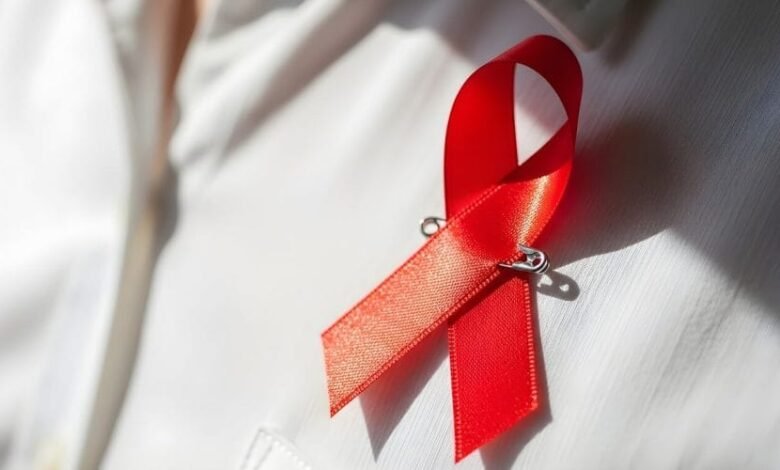
Every year on 1 December, the world pauses to take stock of the HIV epidemic. World AIDS Day offers a moment to reflect on the progress achieved, the lives saved, and the urgent work that remains. Despite major advances, HIV continues to affect millions, and children and young people carry a significant share of this burden.
Understanding the Basics
HIV is a virus that attacks the body’s immune system by targeting CD4 cells. If left untreated, the gradual loss of these cells weakens the body’s defence against disease. This advanced stage of infection is known as AIDS. At that point, the risk of severe illness increases sharply because the immune system can no longer resist infections that most healthy people can fight.
HIV spreads through unprotected sexual intercourse, from mother to child during pregnancy, childbirth or breastfeeding, and through exposure to infected bodily fluids. There is still no cure, but early diagnosis and consistent antiretroviral therapy allow people living with HIV to lead long, healthy lives.
Where the World Stands Today
Global data from the past year show both progress and concern. Nearly 40 million people are living with HIV worldwide, but millions still lack access to treatment. Around 1.3 million people were newly infected in 2023, and far too many deaths are still recorded from AIDS-related illnesses.
Children and adolescents remain among the most vulnerable. Roughly 1.4 million children aged 0 to 14 are living with HIV, yet only a little over half of them have access to life-saving treatment. Each day, hundreds of children become newly infected. Many of these infections occur because services for pregnant women, babies and young people remain uneven or out of reach.
Adolescents face distinct risks. Girls and young women aged 15 to 24, especially in sub-Saharan Africa, are disproportionately affected. In several countries across Eastern and Southern Africa, girls in this age group are three times more likely to be living with HIV than boys of the same age. These patterns reflect broader social challenges, including gender inequality, poverty and gaps in education.
Why Children and Young People Are Still at Risk
Mother-to-child transmission remains the leading source of infection among children. Without early testing and timely treatment, infants are at high risk during pregnancy, birth and breastfeeding. For older children and teenagers, the danger often stems from limited knowledge about HIV, lack of access to youth-friendly health services and the silence that still surrounds discussions about sexual health.
Young people growing up with HIV also face a range of difficulties beyond the medical. Stigma, discrimination, family loss, and social isolation can influence their schooling, health and future opportunities. These pressures make it harder for them to stay in care or adhere to treatment.
The Power of Education and Support
Education is one of the strongest tools available for reducing new infections. When young people receive clear and age-appropriate information, they are better prepared to protect themselves. Comprehensive sexuality education provides more than facts about HIV. It encourages respect, responsibility and healthy relationships. It also guides young people on how to access health information and services, and how to make decisions that support their well-being.
UNESCO plays a central role in global efforts to expand access to this form of education. By supporting countries to strengthen their curricula, UNESCO helps create safe and inclusive learning environments. As one of the founding co-sponsors of the Joint United Nations Programme on HIV/AIDS, the organisation contributes directly to the global goal of ending the epidemic.
Challenges That Persist
Despite all progress, major gaps remain. Millions of adults and children still do not know their HIV status. Treatment coverage for children continues to fall behind that of adults. Funding pressures threaten essential services such as testing, counselling and prevention. In many communities, stigma remains one of the most stubborn obstacles, discouraging people from seeking help or disclosing their status.
Stigma is not only a social burden. It has real consequences for health. When people fear discrimination, they delay testing, avoid treatment and withdraw from care. Breaking this cycle requires open conversation, respectful policies and community leadership.
A Collective Call to Action
World AIDS Day 2025 calls for renewed determination. To protect children and young people, countries and communities must expand access to testing and treatment, strengthen services for pregnant women and infants, and invest in education that equips young people with accurate knowledge. Health systems must ensure that children receive early diagnosis and follow-up care. Schools and community institutions must promote understanding and inclusion. Families and leaders must work to end stigma in all its forms.
Ending AIDS is possible, but it will not happen through medical interventions alone. It demands fairness, compassion and a commitment to the dignity of every person. As the world prepares for the next stage of the global response, this day reminds us that no one should be left behind.