
World Sustainable Transport Day: Advancing Mobility for a Greener Future
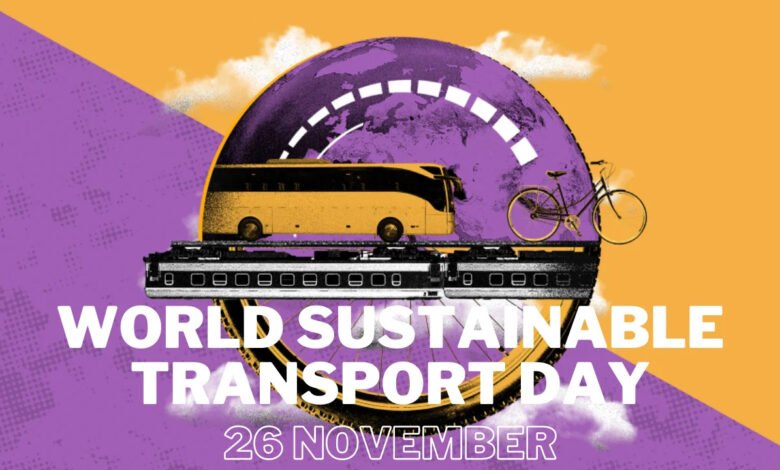
The United Nations General Assembly designated November 26 as World Sustainable Transport Day in 2023, recognising the crucial role that safe, affordable, accessible, and environmentally responsible transportation plays in economic growth and climate action.
The day serves as a global reminder that cleaner, smarter mobility systems are essential to a healthier planet and a more equitable future. Transportation powers global trade, connects communities, and supports jobs.
Yet it is also one of the largest contributors to greenhouse gas emissions. World Sustainable Transport Day calls on governments, organisations, and individuals to champion greener, safer, and more inclusive mobility solutions that benefit both present and future generations.
What Is Eco-Friendly Transportation?
Eco-friendly or sustainable transportation refers to mobility systems that reduce environmental impact while supporting social and economic development. According to the Secretary-General’s High-Level Advisory Group (2016), sustainable transport delivers mobility in ways that are:
- Safe, affordable, and accessible
- Efficient and resilient
- Low-carbon and environmentally friendly
Importantly, sustainable transport is a means to achieve sustainable development, not an end in itself.
Why Sustainable Transport Matters for Development
Sustainable transportation supports key pillars of development by:
- Enhancing universal access
- Improving safety and reducing road fatalities
- Lowering emissions and pollution
- Strengthening resilience and energy efficiency
- Supporting poverty reduction, trade, and gender equality
It also accelerates progress on multiple goals, from climate action to reducing inequalities, by connecting people to opportunities in work, health, and education.
Background: Why the UN Created the Day
The UN General Assembly established World Sustainable Transport Day to:
- Highlight the role of transport in economic growth and social welfare
- Promote international cooperation in improving connectivity
- Encourage integrated intermodal systems (roads, rail, air, ports)
- Support resilient and high-quality transport infrastructure
- Reduce emissions, resource use, and environmental damage
- Promote socially inclusive and accessible mobility for all
Governments, civil society, and private organisations are invited to host events and education campaigns to raise awareness and drive coordinated action.
Transport in Daily Life — And Our Carbon Footprint
Transport is embedded in daily life, from commuting to the movement of essential goods. But traditional transport systems worsen pollution, with the sector representing a significant share of global greenhouse gas emissions.
- Average annual carbon footprint per person worldwide: 5.9 tons
- Living without a car can cut emissions by up to 3.6 tons per year
- Switching from petrol/diesel to an EV reduces emissions by about 2 tons per year
Sustainable mobility strengthens community resilience, boosts livelihoods, and supports more inclusive growth by ensuring access to essential services.
Key Focus Areas of World Sustainable Transport Day
1. Clean Energy Mobility
Promotes renewable energy solutions, solar, wind, and hydrogen, to lower emissions and build a healthier future.
2. Public Transportation Enhancement
Expanding bus, tram, and metro networks reduces congestion, pollution, and travel costs while improving accessibility.
3. Non-Motorized Transport
Walking, cycling, and micromobility lanes create healthier communities while reducing emissions and enhancing urban air quality.
4. Digital and Smart Mobility
AI-powered route planning, EV charging networks, GPS systems, and intelligent traffic tools improve efficiency, reduce delays, and enhance safety.
5. Inclusive Accessibility
Barrier-free transport ensures mobility for women, older adults, children, and persons with disabilities.
6. Road Safety Improvements
Better road design, stronger enforcement, and modern vehicle safety standards reduce accidents and support the global Vision Zero goal.
7. Sustainable Urban Planning
Integrating transport with green spaces, mixed-use developments, and pedestrian zones creates future-ready, climate-resilient cities.
Key Challenges in Achieving Sustainable Transport
Despite its benefits, transitioning to sustainable mobility faces obstacles:
a. Complex Regulations
Businesses must navigate varying regional and national policies during implementation.
b. Environmental Trade-Offs
Producing electric vehicle batteries and green infrastructure requires resources that must be managed responsibly.
c. Operational Adjustments
Fleet transition, charging systems, and worker training can disrupt operations if not planned well.
d. High Upfront Costs
EV fleets, charging stations, and renewable energy systems require substantial investment.
e. Social Inclusion Concerns
Without equitable planning, rural and low-income communities risk being left behind.
Identifying these challenges helps governments and industries design more effective, inclusive solutions.
How Schools, Communities, and Organisations Can Support Child-Friendly Mobility
i. Promote Walking and Cycling to School
Safe sidewalks, cycling lanes, and crossing guards make daily travel healthier and safer for children.
ii. Offer Education on Road Safety and Clean Mobility
Workshops can help children understand climate-friendly transport and safer commuting practices.
iii. Partner with Local Authorities
Schools can collaborate with transport agencies to improve school bus routes, crossings, and road signage.
iv. Upgrade School Transport Fleets
Replacing diesel school buses with electric models reduces pollution and protects children’s health.
v. Engage Parents and Communities
Awareness campaigns on carpooling, safe driving near schools, and pollution reduction empower families to act.
Conclusion
World Sustainable Transport Day is a call to action to protect children today and safeguard their futures. Safe, clean, and inclusive transport supports their right to education, health, safety, and equal opportunity.
By investing in sustainable mobility, electric buses, safe school routes, inclusive infrastructure, and clean air, governments and communities build a foundation that allows every child to learn, grow, and thrive.
A sustainable transport future, one where mobility protects children’s lives, nurtures their potential, and leaves no child behind.