Hidden, Excluded, Unprotected: 95% of Nigeria’s Disabled Children Locked Out of School and Denied Their Right to Development
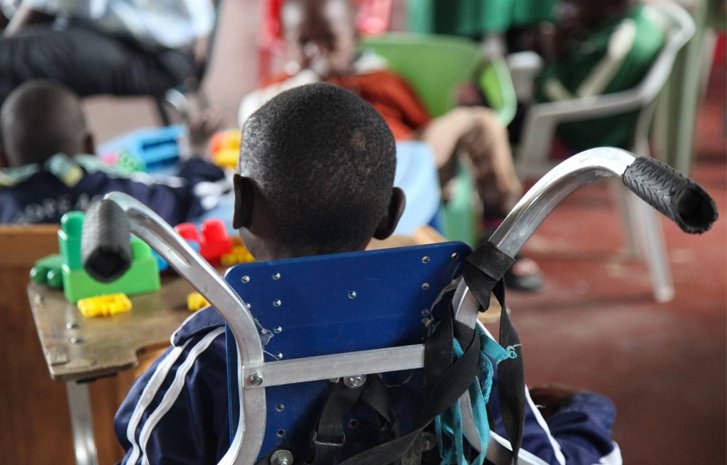
Nigeria’s estimated seven million children living with disabilities remain one of the most vulnerable and unprotected groups in the country. With 95.5 percent out of school, exclusion from education is not just a learning crisis. It is a child protection failure.
When children with disabilities are denied access to safe, inclusive, and supportive schools, they are exposed to heightened risks of neglect, abuse, exploitation, and lifelong poverty. Education is more than literacy. It is a protective system that provides supervision, social connection, life skills, and pathways to independence. Without it, children are left isolated, hidden, and unheard.
The persistent stigma and cultural bias that push families to conceal children with disabilities deepen their vulnerability. Hidden children are harder to safeguard.
They are less visible to child protection systems, less likely to report abuse, and less likely to benefit from health, psychosocial, and social welfare services. True safeguarding begins with visibility, inclusion, and recognition of dignity.
Although Nigeria has laws such as the Discrimination Against Persons with Disabilities (Prohibition) Act, 2018, implementation remains weak. Fulfilling a child’s right to development requires more than policy.
It demands accessible school infrastructure, trained teachers in special and inclusive education, assistive learning tools, early assessment services, and sustained funding across all tiers of government.
Inclusive education directly advances the child’s right to development as guaranteed under the Child Rights framework. It equips children with skills, confidence, and social integration necessary for economic participation and self-reliance.
Protecting children with disabilities means ensuring they are not hidden away, but supported to learn, grow, and thrive as equal members of society.