
Afghanistan Faces “Generational Loss” as Girls’ Education Ban Threatens Millions, UNICEF Warns
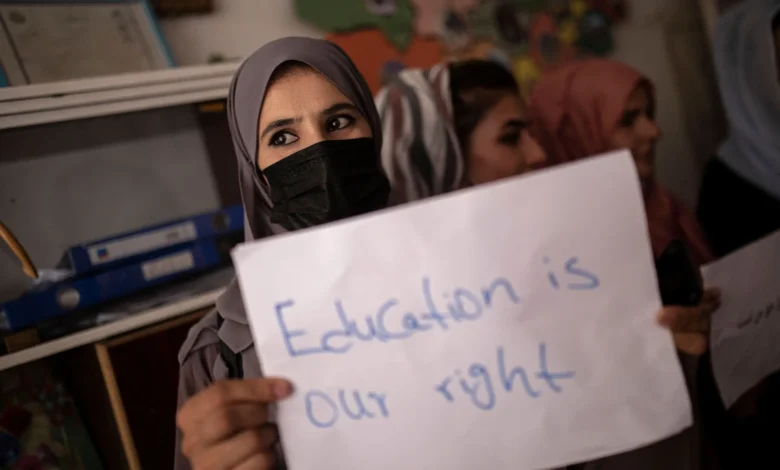
A new UNICEF analysis has warned that ongoing restrictions on girls’ education and women’s employment in Afghanistan are threatening children’s rights to proper development and could have long-term consequences for the country’s education and health systems.
The report states that more than one million girls have been denied access to secondary education since the ban was introduced in 2021. If the restrictions remain in place, UNICEF estimates that over two million girls will be affected by 2030, significantly limiting their right to learn and develop essential life skills.
UNICEF highlights that education is a critical foundation for child development, supporting cognitive growth, emotional well-being, and future participation in society. The exclusion of girls from secondary schooling, the report notes, disrupts this process at a key stage of adolescence and increases the risk of long-term poverty and inequality.
The analysis also warns of wider systemic impacts, projecting that Afghanistan could lose up to 25,400 trained female professionals, including teachers and healthcare workers, by 2030. It explains that this decline would weaken essential services that children depend on, particularly in education and healthcare, where female professionals play a vital role in reaching women and children in many communities.
According to UNICEF, female representation in the civil service has already fallen from 21 per cent in 2023 to 17.7 per cent in 2025. The report adds that the reduction in female educators and health workers will further limit access to quality schooling and medical care for children.
UNICEF stresses that the situation undermines the principle of the best interests of the child and risks reversing progress in human capital development. It warns that restricting girls’ education not only affects individual futures but also weakens the country’s ability to develop a skilled workforce needed for long-term recovery and stability.
The agency is calling for the immediate restoration of girls’ access to secondary and higher education and sustained investment in inclusive learning systems to protect children’s rights and Afghanistan’s future development.