
Lassa Fever Outbreak Raises Child Protection Concerns as Death Toll Rises in Benue
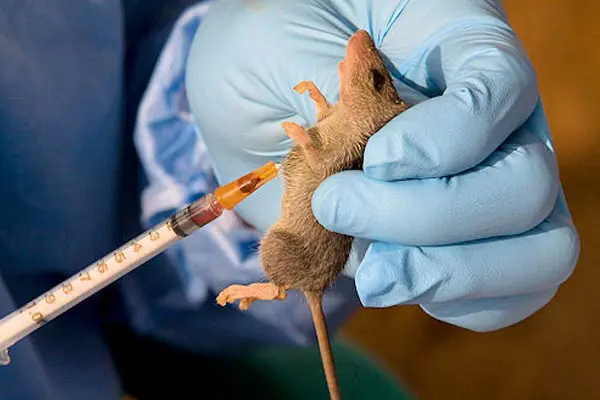
The resurgence of Lassa fever in Benue State, with confirmed deaths and hundreds of suspected cases, highlights an urgent public health concern that also raises important issues about child protection and safeguarding.
While the outbreak has already claimed lives, including those of healthcare workers, it also poses serious risks to children, whose right to survival depends heavily on effective disease prevention, early treatment, and strong community awareness.
Children often face heightened exposure during disease outbreaks because they rely on adults for protection and may not fully understand hygiene or environmental risks. Lassa fever is commonly transmitted through contact with food or household items contaminated by infected rodents, meaning homes, food storage areas, and community environments can quickly become sources of danger for young people.
Protecting children therefore requires families to take proactive steps such as keeping living spaces clean, storing food safely, and ensuring that children avoid contact with rodents or contaminated items.
Parents and caregivers play a central role in safeguarding children during such outbreaks. Teaching children simple preventive practices like regular handwashing, avoiding contact with sick individuals, and reporting symptoms early can significantly reduce exposure. Prompt medical attention when a child shows signs such as persistent fever, weakness, vomiting, or sore throat is also critical in preventing complications.
Government and community institutions must reinforce these efforts by strengthening health education in schools, community centers, and religious gatherings. Public awareness campaigns should specifically include messages directed at protecting children and supporting families with clear guidance on prevention.
Health facilities must also remain prepared to provide child-sensitive care and early diagnosis, ensuring that children suspected of infection receive timely treatment.
Ultimately, controlling the Lassa fever outbreak is not only a public health priority but also a responsibility tied to protecting the fundamental right of every child to survive and grow in a safe and healthy environment.