Deliverance or Exploitation? Tonto Dikeh’s Viral School Video Triggers Heated Child Rights Debate
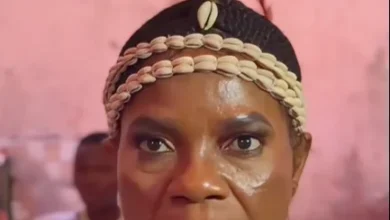
The viral video of Nollywood actress Tonto Dikeh praying for a schoolgirl during what she described as a deliverance session has sparked a broader conversation that goes beyond religion.
While the moment was presented as a spiritual intervention, the circumstances surrounding the incident raise serious questions about the best interest of the child, child protection laws, and institutional responsibility.
In the footage shared online, the child, dressed in a school uniform, appears distressed as prayers intensify around her. As the session progresses, she reportedly enters a trance-like state and is physically restrained by adults around her.
Regardless of the spiritual interpretation placed on the event, the scene shows a child being held down and publicly labeled as experiencing a demonic attack, an act that may expose the child to emotional trauma, stigma, and public humiliation.
Nigerian law places strong emphasis on protecting children from exactly this type of situation. Section 11 of the Child Rights Act (2003) guarantees every child the right to dignity and explicitly states that no child shall be subjected to physical, mental, or emotional injury, abuse, neglect, or maltreatment. The same law also emphasises that actions involving children must prioritise the best interest of the child above all other considerations.
In addition, Section 221 of the Child Rights Act criminalises the abuse or ill-treatment of a child, including situations where a child is subjected to physical or emotional suffering by adults responsible for their care or supervision.
Even when harm is not intended, placing a child in a physically restraining environment during a public “deliverance” raises concerns about whether the child’s dignity and emotional safety were adequately protected.
Another critical issue is the recording and public sharing of the child’s image and experience. Section 37 of the 1999 Constitution of the Federal Republic of Nigeria protects the right to privacy, while Section 8 of the Child Rights Act affirms that a child’s privacy must be respected in both physical and digital spaces. Broadcasting a vulnerable moment involving a child can permanently affect the child’s identity, exposing them to ridicule, bullying, or long-term reputational harm.
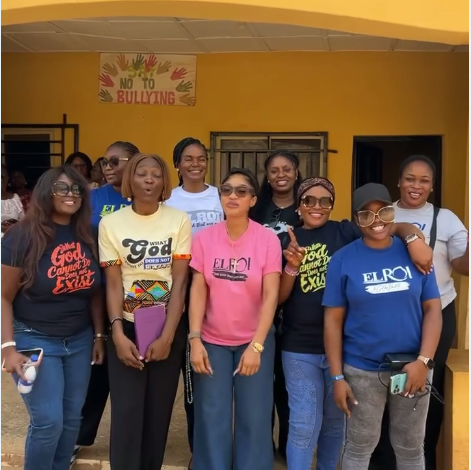
The setting of the event also raises questions about the structure and supervision within the education system. The incident reportedly occurred during school hours within a school environment. Schools are expected to function as safe and regulated spaces for learning.
When activities involving external individuals take place without clear safeguarding procedures, it highlights gaps in institutional oversight, child protection policies, and the organisation of school activities.
This is why the situation should not simply be dismissed as a religious event or social media controversy. Government institutions responsible for child welfare, including child protection agencies, school authorities, and regulatory bodies, have a duty to examine incidents where a child’s dignity, safety, or privacy may have been compromised.
Addressing such cases does not require hostility toward individuals or faith practices. Rather, it is about reinforcing an essential principle recognised in Nigerian law and international child protection standards: every action involving a child must place the child’s safety, dignity, and long-term wellbeing above all other interests. When that principle appears to be at risk, institutions responsible for safeguarding children are expected to pay attention and ensure that appropriate protections are in place.