Sudan Drone Attack Shatters Children’s Right to Survival, UNICEF Calls for Urgent Protection
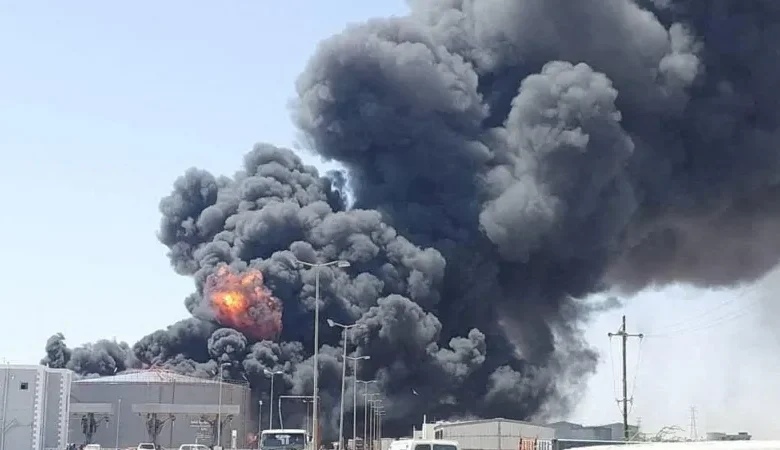
In a tragic escalation of violence in Sudan’s White Nile State, at least eight students, including four under 18, and a health worker were reportedly killed in a drone strike on a school compound and a primary healthcare centre in Shukairi village.
Many others were injured, and local schools have been forced to close, depriving children of education and safety. From a child rights perspective, these attacks constitute a severe violation of children’s right to survival, protection, and access to essential services.
UNICEF’s representative for Sudan, Sheldon Yett, condemned the attacks as an “outrageous violation of children’s right to safety and protection,” emphasizing that schools must remain safe spaces where children can learn, grow, and hope. International Humanitarian Law protects schools and healthcare facilities as civilian objects, and attacks on them endanger not only children’s immediate survival but also their long-term health, education, and wellbeing.
Since the outbreak of conflict in April 2023, there have been at least 200 reported attacks on schools and hospitals in Sudan. Each strike not only threatens children’s lives but also strips them of the stability, learning opportunities, and essential services they rely on. When schools and healthcare facilities are targeted, children are left without safe environments to grow, learn, and access medical care, compounding the humanitarian crisis.
Experts stress that safeguarding children in conflict zones requires strict adherence to international law, protection of civilian spaces, and urgent humanitarian interventions. Ensuring children’s right to survival means protecting them from physical harm, guaranteeing access to education, and maintaining essential health services, even amid ongoing conflict. The attacks in White Nile State underscore the urgent need for global attention and action to protect children in war-affected areas.