
Lagos School Crisis: Demolitions, Economic Hardship Leave Pupils Stranded as New Term Begins
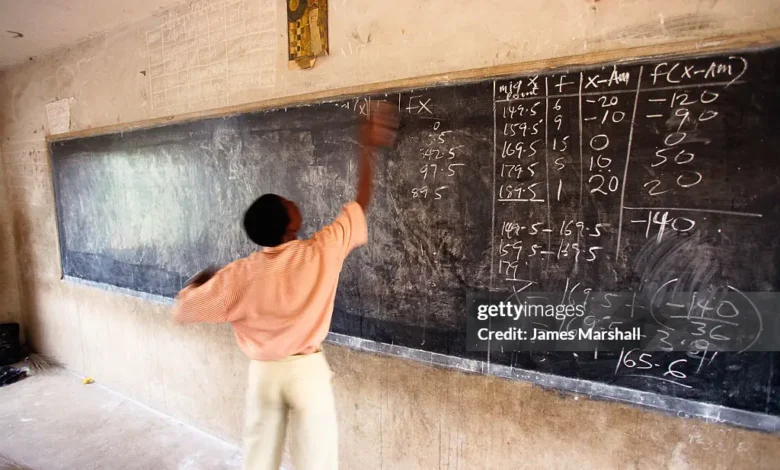
The low turnout of pupils and students across parts of Lagos State at the start of the third academic term has raised important child protection and safeguarding concerns, as families continue to grapple with the combined effects of forced displacement, poverty, and rising living costs.
Reports from communities such as Makoko, Oworonshoki, and Ekun-Agbo indicate that recent demolition exercises have left many families without stable housing. In some cases, children have been displaced and are still living in temporary or unsafe conditions, including makeshift shelters and boats. From a safeguarding perspective, unstable housing environments significantly increase children’s vulnerability, affecting not only their education but also their safety, wellbeing, and access to basic needs such as nutrition, healthcare, and emotional support.
In addition to displacement, economic hardship is preventing many children from returning to school on time. Parents report difficulty paying school fees, transport costs, and purchasing basic learning materials. As a result, some children remain at home or are attending school irregularly. Safeguarding frameworks recognise consistent school attendance as a protective factor, helping to reduce exposure to neglect, exploitation, and other risks in the home or community environment.
Educators have also expressed concern that delayed resumption may affect learning continuity, particularly for children in vulnerable households who already face educational disadvantage. Interruptions in schooling can widen existing inequality gaps and reduce long-term academic outcomes, further impacting a child’s future opportunities.
While schools are attempting to accommodate affected families through flexible payment arrangements and phased resumption, the situation highlights a broader safeguarding issue: the intersection of urban development, economic pressure, and children’s rights to education and stability.
Ultimately, the situation underscores that child protection extends beyond the classroom. It includes ensuring that children have safe homes, stable access to education, and protection from the indirect harms of displacement and poverty.