Nigeria on High Alert as Deadly Ebola Outbreak in Congo Sparks Fear Over Possible Spread to Children
Nigeria has stepped up disease surveillance and tightened border health checks after a deadly Ebola outbreak in the Democratic Republic of Congo raised concern across the region.
Health authorities in the Democratic Republic of Congo report more than 80 deaths linked to the outbreak. The cases span several health zones, including Bunia, Rwampara, and Mongbwalu. This development has triggered stronger monitoring in nearby countries, including Nigeria.
The Nigeria Centre for Disease Control and Prevention (NCDC) says it is strengthening surveillance systems nationwide. It is also working with Port Health Services and other partners. The aim is to quickly detect and respond to possible cases.
Officials say the situation remains a public health priority. Increased movement across African borders has added to the risk. As a result, screening at entry points has become more strict.
In the Democratic Republic of the Congo, health experts believe the outbreak may be wider than reported. This uncertainty is pushing regional health systems to stay alert and coordinated.
Child protection concerns are also emerging alongside the health response. Children face higher risk during outbreaks because they gather in schools and crowded spaces. They also have closer contact in care settings.
Without strong prevention measures, schools could face disruption. Community centres may also struggle to maintain safe routines. Therefore, hygiene practices remain a key focus.
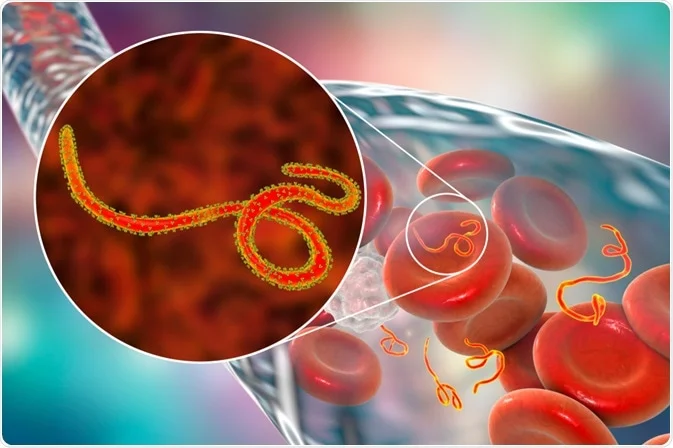
Ebola spreads through direct contact with infected bodily fluids or contaminated items. This makes children in low-resource areas more vulnerable. Weak infection control increases the risk further.
The NCDC has urged Nigerians to stay calm. It also warned against misinformation spreading through communities and online platforms. Instead, it encouraged reliance on official health updates.
Nigeria has experience managing Ebola outbreaks. In 2014, the country contained the virus through rapid tracing and isolation. Strong coordination helped stop wider spread.
Today, authorities say those systems remain active. They are being reinforced to prevent any possible resurgence. Response teams continue to stay on alert.
Child protection experts stress the need for strong preparedness in schools. They say communication must be clear and age-appropriate. Children should understand basic prevention without fear.
Finally, officials say Nigeria will maintain close monitoring. The country remains on alert while strengthening its response capacity.