‘Trusted Adults’ or Hidden Threats? Recent Cases Expose a Global Child Safeguarding Crisis
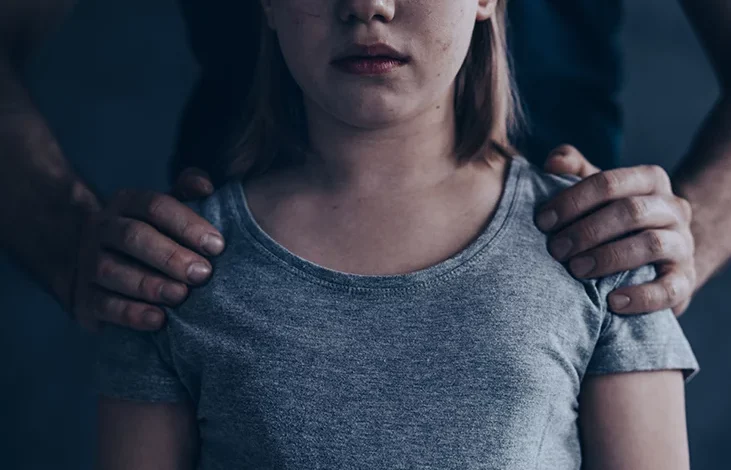
Children are regularly taught to trust adults who are placed in their care. Teachers, coaches, therapists and other professionals are expected to provide guidance, support and protection. However, a troubling string of recent cases is posing a difficult question: What if the people children are told to trust are the source of the danger?
Recent incidents have highlighted troubling weaknesses in child protection systems, including a Texas volleyball coach who kept coaching young athletes after receiving a lifetime ban and allegations of a California therapist and a teacher/coach.
These incidents happened in the United States, but the issue is far greater.
WHEN ‘TRUSTED ADULTS’ ABUSE THEIR POSITIONS
Volleyball coach Ryan Richardson was permanently banned from coaching in Texas after allegations of sexual misconduct with a child, an inappropriate relationship with a child, physical misconduct and bullying were substantiated by the U.S. Center for SafeSport.
However, an investigation by ProPublica and The Washington Post revealed that Richardson coached teenage girls in Texas Fierce Elite and attended practices and tournaments.
The case highlighted the issue of whether the sanctions imposed by one sports organisation can be effective in preventing a sanctioned adult from accessing children in other settings.
It’s not just one coach for families. It emphasises the risk of a disjointed approach to safeguarding where information and action may not be shared between organisations when an adult moves.
A THERAPIST ACCUSED OF GROOMING A TEENAGER
A former temporary health worker for Contra Costa County is accused of seven felony charges in California for counseling a teenager who was in juvenile custody.
The teen was said to be 14 years old when the professional relationship started. His family claims the therapist slowly crossed professional lines and groomed him before sexual contact reportedly started after he was released.
The former worker was arrested this year. At the time of the report, authorities had not identified any other people affected by the investigation.
The allegations are of particular concern as children in custody or receiving mental health support may be particularly reliant on the adults placed in their care.
COACH AND TEACHER ACCUSED YEARS AFTER ALLEGED ABUSE
Paul Farnsworth, 61, a teacher and coach in San Mateo County, California, is another case.
A former student told authorities she was sexually assaulted by Farnsworth in 2008 when he was her coach, and then started a sexual relationship with him when she was 16.
Farnsworth was arrested in August 2026 and faces charges relating to alleged sexual offences involving a child. He was notified of the investigation and placed on leave by his school district.
There may be other individuals with information who have yet to come forward, investigators have said.
The case illustrates another difficulty in child protection: allegations can emerge years after the alleged abuse, so institutions need to be ready to listen to concerns even if there has been a long time since the alleged abuse.
THIS IS NOT AN AMERICAN PROBLEM
These cases have occurred in the United States, but grooming and child sexual abuse is a worldwide child protection problem.
In countries around the world in Africa, Europe, Asia, North America and more, children can find adults who take advantage of their authority or trust in them.
The settings may vary, but the pattern may be the same. A teacher gains a child’s confidence. A coach is unusually involved in a young athlete’s personal life. A professional slowly trespasses. An institution ignores red flags. When concerns are identified, a child may have already been at risk.
This is why it is not possible to consider safeguarding as a problem of one country, one profession or one institution.
SAFEGUARDING MUST COME BEFORE PUNISHMENT
The rising number of cases also brings into question the extent to which institutions are doing to detect grooming before it turns into abuse.
Background checks and mandatory reporting policies are not enough to protect children. Child-focused organisations require clear professional boundaries, specific training, good supervision and processes for addressing concerns.
They also have to make sure that adults who are removed or banned due to significant safeguarding issues are not able to easily access other settings where children are present.
Texas Governor Greg Abbott’s plan to give harsher sentences to teachers who are convicted of child sexual abuse or grooming is a sign of the times. He has proposed a minimum 10-year prison sentence without parole for him and a more comprehensive sex-offender registry for teachers who are convicted of offenses related to his plan.
However, more severe penalties are not the answer.
CHILDREN SHOULD NOT CARRY THE RESPONSIBILITY
Sometimes children are not aware that grooming is occurring. They may believe an adult genuinely cares about them, fear that nobody will believe them or worry about what could happen if they speak out.
That makes safeguarding an adult responsibility.
Parents, schools, sports organisations, governments and youth-serving institutions need to establish cultures that listen to concerns and where professional authority is never used as a cover for misconduct.
The recent cases are a cautionary tale that the term “trusted adult” should not be interpreted as “unquestioned adult”.
There needs to be accountability, transparency and safeguards in trust.
Wherever children are placed in the care of adults, protecting them should be everyone’s responsibility.