
66 Days After Borno Abduction: The Children Left Behind Are Also Paying the Price
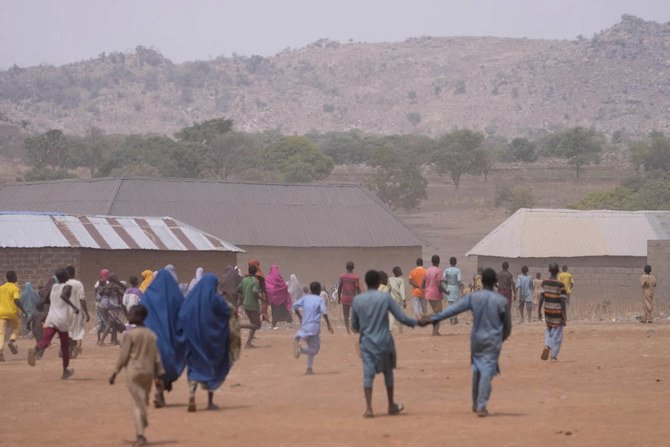
For 66 days, the absence of 42 pupils abducted from Mussa Primary and Junior Secondary School in Askira-Uba, Borno State, has affected more than the children taken away. It has reshaped the lives of those who remain behind.
Their classmates have returned to classrooms carrying unanswered questions. Their siblings continue daily routines without the voices and friendships they once knew. Their teachers face the challenge of educating children who are learning under the shadow of fear and uncertainty.
While rescue efforts remain the immediate priority, the prolonged absence of the abducted pupils has created a wider child protection concern: how communities support children who experience fear, anxiety, and disruption after such attacks.
For many children in conflict-affected areas, insecurity does not end when an attack is over. The psychological impact can continue through disrupted learning, increased fear of schools, and a loss of confidence in places that should provide safety.
The Borno abduction has therefore become not only a case of missing children but a reminder of the wider cost of insecurity on childhood itself.
As the 66th day passes, protecting children means more than securing their return. It also requires supporting the classmates, siblings, and communities struggling with the consequences of their absence.