
Texas Teacher Breaks Down in Tears After Senior Students Struggle to Read and Write, Sparking Debate Over Student Privacy
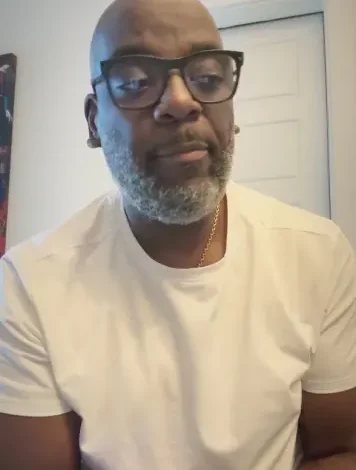
An emotional response by a Texas high school teacher to the literacy problems of his students has raised a larger question about how teachers should respond when they find large gaps in their students’ academic learning, as well as how to address the gaps without violating the dignity and privacy of the students.
A teacher at Wheatley High School in Houston, Darius Williams, broke down on the second day of school when a class activity identified some problems with reading and writing among senior students.
Williams said he would allow his class two paragraphs to read before he would ask them to write a sentence. He said he had already given a lot of the sentence, spoke to the students about the situation and gave them instructions, but some students still found it difficult to finish the exercise.
In a video posted online, Williams, a teacher in Houston Independent School District’s career and technical education programme, said some of the students, ages 17 and 18, were able to speak, reason and defend their points of view, but lacked the ability to do so in writing.
His response has since sparked discussion on the implications for when teachers recognize important learning gaps. It is widely acknowledged that students in senior secondary school should have acquired basic literacy skills. But, when a child is identified as being struggling, it should also prompt an investigation into why, to determine their needs and to offer them the right support.
Part of the controversy over Williams has been his willingness to discuss the classroom experience publicly. There were concerns that it was not appropriate to share information about students’ difficulties online, especially if the student’s name is not shared but they are identifiable without it.
The question for a kid-friendly perspective is not just whether Williams was justified in his concern. His worry about the students’ learning is justified. The harder question is how this concern should be communicated and addressed without embarrassing students and compromising their dignity.
The incident coincides with ongoing literacy issues in education debates in the United States. According to preliminary 2025-26 results referenced in the report, 57% of NYC third and fifth grade students and 52% of fourth grade students did not meet proficiency in English Language Arts.
The figures highlight the need to recognise learning difficulties early and to support children before they fall behind in their learning.
For educators, discovering a serious literacy gap should be a call to action: assess, teach, support and involve the appropriate school professionals. Schools also need to develop systems to enable teachers to raise concerns without compromising the privacy of students.
In the end, the debate about Williams’ classroom experience is a discussion about the rights of children: How do adults respond quickly enough to ensure that children have the right to learn, and the right to be treated with dignity?