World Humanitarian Day: Why Protecting Aid Workers Matters for Children
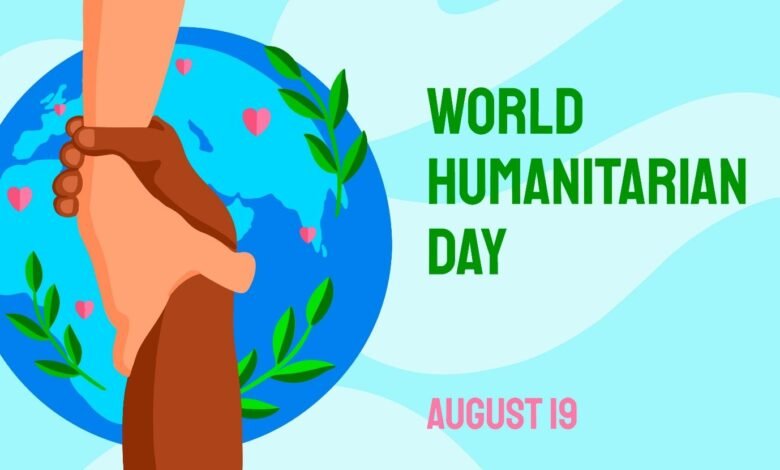
Yesterday, 19 August, the world celebrated World Humanitarian Day, which was a day dedicated to honouring the efforts of humanitarian workers who are essential to the lives of children facing crises.
Humanitarian workers frequently offer more than relief in times of conflict, displacement and disasters for children. They are involved in providing food, health, education, shelter and protection to families when they are unable to provide for their children’s basic needs.
But those who offer such assistance are still in grave danger.
According to the data, 1,187 humanitarian workers were impacted by attacks in 2025, as reported by the United Nations Office for the Coordination of Humanitarian Affairs (OCHA). In total, 350 were killed, 322 wounded, 235 kidnapped and 280 arrested or detained.
The majority of humanitarian personnel impacted by violence are national personnel working in their own communities. Children may lose access to services that are vital to their survival and recovery when they are killed, injured, abducted or prevented from reaching people in need.
World Humanitarian Day also highlighted the importance of parties to armed conflicts to respect international humanitarian law and provide safe, rapid and unhindered humanitarian access.
This protection can have immediate consequences for children. An aid operation that is blocked can result in a child’s lack of food. Treatment may be delayed if the health facility is unsafe. Children may be vulnerable to additional harm if their protection services are disrupted.
The #ActForHumanity campaign is thus more than a tribute to humanitarian workers. It’s also a call to safeguard the systems and people that children rely on in times of emergency.
Ultimately, protecting those who protect others is protecting children.