
Trust (2010): What Parents and Teachers Need to Know About Online Grooming and Child Protection
Movie Of The Week
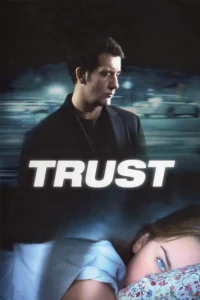
The internet can connect children to the world—but it can also give dangerous adults access to children they have never met.
The 2010 film Trust, directed by David Schwimmer, tells the story of 14-year-old Annie Cameron, a teenager who meets someone online who claims to be a teenage boy. What begins as an innocent online friendship gradually develops into a dangerous relationship when Annie discovers that the person behind the screen is not who he claimed to be. (Netflix)
At its heart, Trust is not simply a film about an online predator. It is a story about how grooming works, how easily trust can be manipulated and how families can respond when a child becomes a victim.
The Danger Behind the Screen
Annie initially believes she is communicating with someone close to her age. The relationship develops over time, moving from online conversations to phone calls and eventually an in-person meeting.
The film demonstrates a critical safeguarding reality: online grooming does not necessarily begin with an obvious threat.
A predator may first present themselves as a friend, someone who understands the child or someone who shares their interests.
The danger can develop gradually.
This is why children need to understand that someone online may not be who they claim to be—even when conversations feel friendly, caring or trustworthy.
Grooming Is About Building Trust
The title Trust is significant.
The predator does not immediately present himself as dangerous. Instead, he establishes a relationship with Annie and gains her confidence.
This is an important lesson for parents and educators: grooming can involve manipulation, secrecy, emotional dependence and gradual boundary violations.
A child may therefore defend the person grooming them or struggle to understand that they have been exploited.
This is particularly important when responding to a disclosure.
A child who has been groomed should not be blamed for trusting the person who manipulated them.
The responsibility always lies with the adult who exploited the child.
When Parents Discover the Truth
One of the strongest elements of the film is its portrayal of Annie’s parents, Will and Lynn.
When they discover what has happened, they experience shock, anger, fear, guilt and confusion.
Will, in particular, struggles with the belief that he failed to protect his daughter.
This raises an important safeguarding issue:
What should parents do when their child becomes a victim of online exploitation?
The answer is not to shame, blame or punish the child.
Children need reassurance that:
“You are not in trouble. You did the right thing by telling me.”
Parents also need to focus on securing the child’s safety, preserving relevant evidence, reporting concerns to appropriate authorities and ensuring the child receives emotional and professional support.
The Victim Is Not to Blame
One of the film’s most important lessons is the danger of blaming children for the choices they make while being manipulated.
Annie is 14.
The adult deliberately creates a false identity and uses the relationship to gain access to her.
Her vulnerability does not make her responsible for the abuse.
This principle should be central to every child-protection conversation:
Children are never responsible for an adult’s decision to groom, exploit or abuse them.
Digital Safeguarding Starts Before Something Goes Wrong
Parents do not need to wait for a child to experience harm before having conversations about online safety.
Children should be encouraged to:
- Be cautious about people they meet online.
- Avoid sharing private information.
- Understand that online identities can be false.
- Tell a trusted adult when an online interaction makes them uncomfortable.
- Never meet an online contact alone.
- Know that they will not be punished for reporting a concerning interaction.
Most importantly, children need open communication with trusted adults.
If children believe that telling their parents will automatically result in losing their phone, being humiliated or being punished, they may choose silence instead.
What Trust Teaches Parents and Educators
The film provides several important safeguarding lessons:
- Online safety is child protection.
Digital spaces are now part of children’s everyday lives, so safeguarding must extend beyond the physical environment.
- Teach children about grooming.
Children need to recognize manipulation, secrecy and inappropriate requests—not simply be told, “Don’t talk to strangers online.”
- Build relationships based on communication.
Children are more likely to disclose concerns when they know they will be listened to without immediate judgment.
- Never blame the child.
The responsibility for exploitation lies with the perpetrator.
- Take disclosures seriously.
A child’s disclosure should trigger appropriate safeguarding action and support.
- Recovery matters.
Protecting a child does not end when the immediate danger is removed. Children who experience exploitation may need ongoing emotional and professional support.
The Bigger Safeguarding Message
Trust was released in 2010, but its central warning remains relevant in today’s increasingly connected world.
Children can form relationships through social media, messaging platforms, gaming communities and other digital spaces. The technology may change, but the safeguarding principle remains the same:
Children need to know that they can come to us when something feels wrong.
We cannot monitor every conversation a child has online.
But we can build relationships where children know they will be heard, believed, supported and protected.
Trust ultimately reminds us that safeguarding is not about taking away children’s independence. It is about giving them the knowledge, confidence and support they need to navigate the world safely.
Movie Takeaway
Don’t just teach children who to avoid. Teach them what manipulation looks like, create spaces where they can speak freely, and make sure they know that asking for help will never make them the one to blame.
You can watch Trust (2010) on Netflix