Precious: When the Adults Who Should Protect a Child Become the Source of Harm
Movie Review of the Week
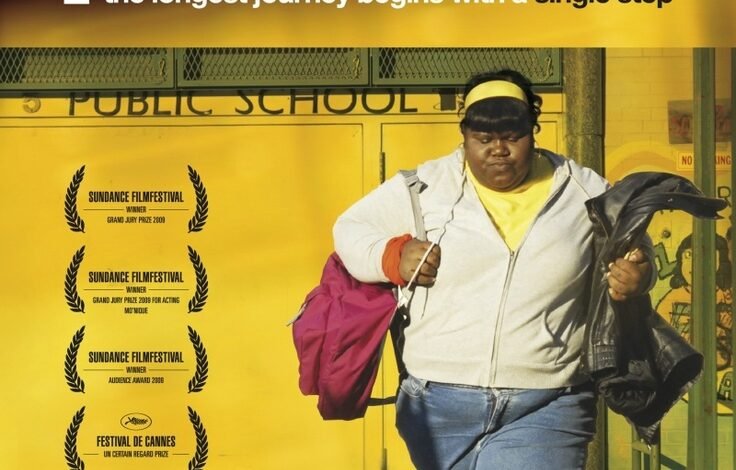
Precious: Based on the Novel “Push” by Sapphire is a 2009 drama directed by Lee Daniels. The film follows Claireece “Precious” Jones, a 16-year-old girl living in Harlem who has experienced years of abuse, neglect and poverty. Pregnant for the second time as a result of sexual abuse by her father, Precious is struggling with illiteracy, low self-esteem and a home environment where the adults responsible for her safety have failed her.
But Precious is more than a story about abuse. It is a story about what can happen when one safe adult finally sees a child, listens to her and believes in her potential.
When home is not safe
One of the most disturbing lessons in Precious is that the greatest danger to a child does not always come from a stranger.
Precious experiences sexual, physical and emotional abuse within her own family. Her mother repeatedly humiliates and physically assaults her, while her father is responsible for sexual abuse that results in pregnancy.
The film challenges us to look beyond assumptions about where children are safe.
Safeguarding means protecting children from harm regardless of who the alleged perpetrator is — even when that person is a parent, relative, teacher, caregiver or someone the child trusts.
The child nobody seemed to see
Precious is also failed by systems around her. She struggles at school and has significant difficulty reading and writing, yet much of her distress remains hidden.
This raises an important question for every teacher, school leader, parent and child-protection professional:
What are we seeing when we look at a struggling child?
A child who is withdrawn, aggressive, frequently absent, falling behind academically or behaving unusually may not simply be a “problem child.” Their behaviour may be communicating that something is wrong.
Instead of asking only, “What’s wrong with this child?”, safeguarding requires us to ask:
“What might have happened to this child?”
The Power of One Safe Adult
Precious’s story begins to change when she enters an alternative school and meets her teacher, Ms. Rain.
Ms. Rain does not treat Precious as a failure. She encourages her to learn, express herself and recognize her own worth. Education becomes a pathway towards independence and hope.
Lessons to Note
Sometimes, a safe adult can become a turning point in a child’s life.
Teachers and other professionals may be the first people to notice signs of abuse or neglect. But noticing is only the beginning. Children need adults who know how to respond appropriately, listen without judgment, follow safeguarding procedures and connect them with the right support.
Children must be heard
Precious gradually finds her voice through writing and through relationships with people who treat her with dignity.
Her experience reminds us that children may not always disclose abuse directly. They may communicate through their behaviour, emotions, drawings, writing, school performance or seemingly unrelated statements.
Adults therefore need to create environments where children feel safe enough to speak.
And when a child speaks, we must listen.
The Safeguarding Lesson
Precious leaves us with an uncomfortable but necessary question:
How many children are struggling in silence because the adults around them have failed to notice?
Child protection is not simply about responding after abuse has occurred. It is about creating environments where children are seen, heard, respected and protected.
Precious’s resilience is inspiring, but we should not romanticize her suffering. Children should never have to prove how strong they are by surviving abuse.
Our responsibility is to make sure they do not have to.
Key Takeaway
Every child deserves a safe adult, a safe environment and the opportunity to be heard. When a child shows us that something is wrong, we must not look away.