
BEFORE I SEE TIERI AS A CHILD, I SEE AND RESPECT HIM AS A PERSON.
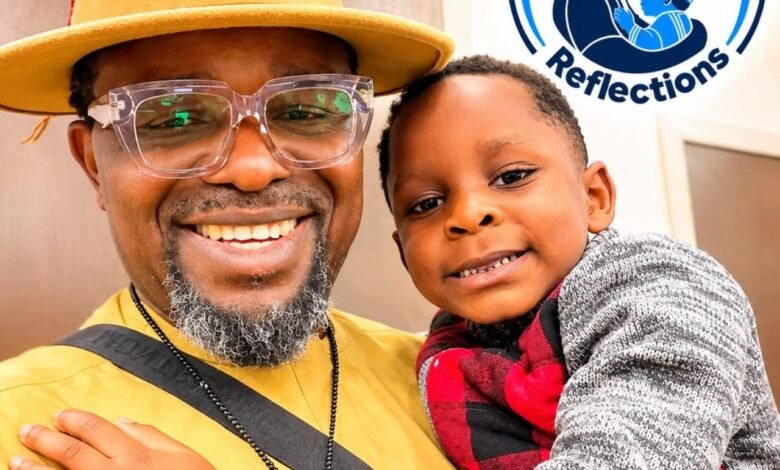
This morning, while bathing my five-year-old son, Tieri, I was rushing to keep to my schedule. As usual, he had questions. I hurried him along, then caught myself.
IT IS NOT HIS FAULT THAT I AM RUNNING OUT OF TIME.
Why should my poor time management become his burden?
I relaxed and listened.
BEFORE I SEE TIERI AS A CHILD, I SEE AND RESPECT HIM AS A PERSON.
When speaking to adults I respect, I choose my words carefully. I check my adjectives. Even when I must say something uncomfortable, I consider their feelings.
IF TIERI MATTERS TO ME, WHY SHOULD HE RECEIVE LESS RESPECT?
Respect is practical.
I take his questions seriously. When I do not know an answer, I say so. When he asks for something I cannot immediately agree to, I say, “Let me think about it.”
I AM CAREFUL ABOUT THE PROMISES I MAKE TO HIM.
I do not want to promise what I have no intention of doing. When I am occupied, I explain and, if I promise to return to him, I make an effort to keep my word.
I ALSO TAKE HIS WORD SERIOUSLY.
If I ask whether he has done something and he says yes, I tell him, “I believe you.” Sometimes, I later discover he has not done it. I address that without condemning him.
TRUST DOES NOT EXCLUDE VERIFICATION. CORRECTION DOES NOT REQUIRE CONDEMNATION.
I want him to know his word matters. I believe how I respond today may influence what he feels able to tell me tomorrow.
Once, while I was on the telephone, Tieri needed my attention. I excused myself, forgetting to mute the call, and spoke with him. Afterwards, the caller asked his age. He was four. The person was surprised that I explained things so carefully to someone so young.
My response was simple:
WHY SHOULD I WAIT UNTIL HE IS SEVENTEEN TO ADDRESS HIM WITH RESPECT?
I am his father, with authority over him. But AUTHORITY DOES NOT CANCEL PERSONHOOD.
A CHILD IS ALREADY A PERSON, NOT A PERSON IN WAITING.
I identify four fundamental attributes of personhood.
FIRST, WORTH. We are made in God’s image. Worth does not depend on age, colour, intelligence, achievement or parentage. A ninety-year-old and a five-year-old possess equal human worth. I believe that worth also belongs to the child in the womb.
PERSONHOOD IS NOT A REWARD FOR MATURITY.
This is one reason I do not hit Tieri. If slapping an adult I respect is not an acceptable response to a mistake, why should I call it discipline when the person is a child? Adults and children both make mistakes.
SECOND, JUDGMENT. Tieri thinks, questions, observes and compares what he hears with what he sees. His reasoning is developing; my duty is to nurture it. I want to teach him both WHAT TO THINK—values—and HOW TO THINK—reasoning and discernment.
THIRD, CHOICE. He is learning to choose and to understand consequences. I must prepare him to make decisions responsibly, not make every decision for him forever.
FOURTH, RESPONSIBILITY. Leadership begins with self-leadership. I do not demand adult maturity from a five-year-old, but I can teach responsibility for his choices, conduct and treatment of others.
THESE ARE ATTRIBUTES OF PERSONHOOD, NOT PRIVILEGES RESERVED FOR ADULTHOOD.
Children’s capacities develop with age; their dignity does not have to wait. They can feel embarrassed or humiliated when disregarded.
WE MUST NOT CONFUSE DEVELOPING CAPACITIES WITH AN ABSENCE OF DIGNITY.
I want Tieri to respect me. I must first show him what respect looks like. Persistent disrespect may teach children not to respect us, themselves or others.
DISRESPECT MUST NOT BECOME THE LANGUAGE THROUGH WHICH WE TEACH RESPECT.
Does respect mean surrendering authority? Absolutely not.
RESPECT IS NOT PERMISSIVENESS.
I can listen without agreeing, acknowledge feelings without approving behaviour, and correct without humiliating. Do I sometimes lose my cool? Yes, as I sometimes do with adults. But his childhood gives me no licence to oppress him.
THE PURPOSE OF AUTHORITY IS TO COMMUNICATE VALUE, NOT TO OPPRESS.
YOU CANNOT COMMUNICATE VALUES BY DEVALUING A PERSON.
I believe discipline should help a child become conscious of the dignity of the human person. Any method that strips away that dignity is not discipline; IT IS DEHUMANISATION.
I HAVE AUTHORITY OVER MY CHILD, NOT DOMINION OVER HIS PERSONHOOD.
These experiences do not make me a perfect parent. I am learning, examining myself and growing.
CHILDHOOD CHANGES WHAT A PERSON CAN DO. IT DOES NOT CHANGE THE WORTH OF WHO THAT PERSON IS.
SEE THE PERSON. RESPECT THE PERSON. THEN EXERCISE PARENTAL AUTHORITY.
A QUESTION FOR ALL OF US AS PARENTS
When our children interrupt us, disagree with us or make mistakes, DO OUR RESPONSES REFLECT THE RESPECT WE CLAIM TO HAVE FOR THEM?
How do we listen, explain, keep promises, build trust and correct without humiliating?
LET US SHARE OUR EXPERIENCES AND LEARN FROM ONE ANOTHER.
Respect must also travel from home to school. Our Parent–School Partnership Pack supports cooperation around shared values, boundaries and responsible correction.
EXPLORE THE PACK THROUGH THE LINK BELOW
*Education Is a Right. Schooling Is a Choice: Making It a Worthy Choice Through Parent–School Partnership in the Child’s Best Interest*, via the link below:
https://tinyurl.com/Education-is-the-right
LET US BUILD A CULTURE WHERE CHILDREN EXPERIENCE RESPECT AT HOME, AT SCHOOL AND EVERYWHERE.
#50PlusDad