Mom Rage Exposed: The Silent Parenting Struggle Leaving Children at Risk
What Is Mom Rage and What Causes It?
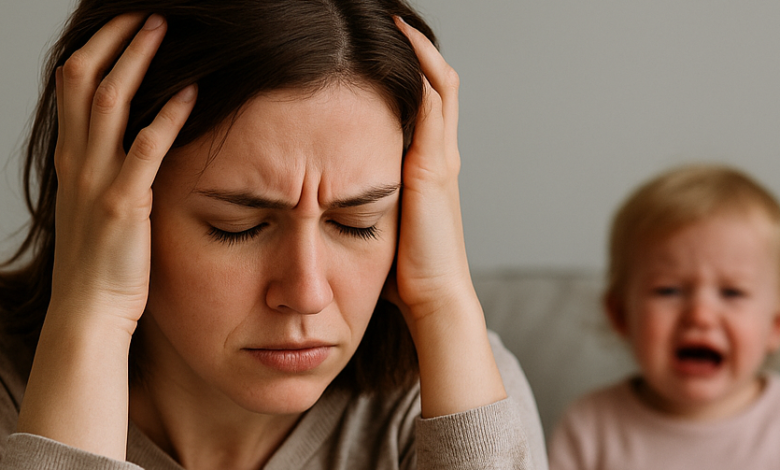
“Mom rage” is gaining attention as more families recognize the emotional toll of modern parenting and the effect it can have at home. The term describes sudden, intense bursts of anger that some mothers experience when overwhelmed by daily responsibilities. Between school runs, extracurricular activities, work demands, meals, and planning for the next day, many reach a breaking point.
Psychologist Susan Albers explains that this reaction is often the result of stress building up and overstimulating the nervous system. When that happens, the brain’s fight-or-flight response becomes hyper-sensitive, meaning even small triggers can lead to big emotional reactions. A child spilling juice or refusing instructions, for example, may provoke a response that feels disproportionate but is rooted in accumulated stress.
Experts say the anger itself is rarely the root problem. Instead, it often masks deeper feelings such as guilt, shame, pressure, or emotional exhaustion. “On the surface, mom rage is visible and accessible,” Albers notes. “Underneath it is often a secondary emotion.” For many mothers, there is also the weight of expectations. There is pressure to remain patient, nurturing, and in control at all times, which can make moments of anger feel even more overwhelming and isolating.
Children are often on the receiving end of these outbursts. While a single incident may not have lasting effects, repeated exposure to yelling or intense anger can shape a child’s emotional environment. Over time, this may lead to anxiety, fear, withdrawal, or behavioral challenges. In some cases, children may begin to mirror the same patterns of anger, creating a cycle that continues if left unaddressed.
How to Manage Mom Rage and Protect Children from Its Effects
Experts emphasize that preventing harmful outbursts starts with managing stress before it peaks. Instead of allowing tension to build throughout the day, mothers are encouraged to take small, consistent steps to regulate their emotions. Simple strategies like deep breathing, stepping outside for a short walk, or taking brief pauses between tasks can help calm the nervous system and reduce reactivity.
Equally important is asking for help. Whether from a partner, extended family, or community support systems, sharing responsibilities can ease the constant pressure many mothers feel. Reducing that load, even slightly, can make a significant difference in emotional resilience.
Self-care also plays a crucial role, though it is often overlooked. Many mothers become so focused on meeting everyone else’s needs that they neglect their own. Skipping meals, lacking sleep, or relying on stress eating can increase irritability and reduce the ability to cope. Taking time to eat properly, rest, and recharge is not a luxury but a necessary part of maintaining emotional balance.
Ultimately, addressing mom rage is about awareness rather than blame. By recognizing triggers, understanding the emotions beneath the anger, and building healthier coping strategies, mothers can regain a sense of control. In doing so, they not only improve their own well-being but also create a calmer, more supportive environment. This helps protect children from the harmful effects of unmanaged anger.