RAHEEMA AUWAL-PANTI: THE 15-YEAR-OLD NIGERIAN CHANGING THE WORLD, ONE ECO-FRIENDLY PAD AT A TIME
GLOBAL CHILDREN SPOTLIGHT OF THE MONTH
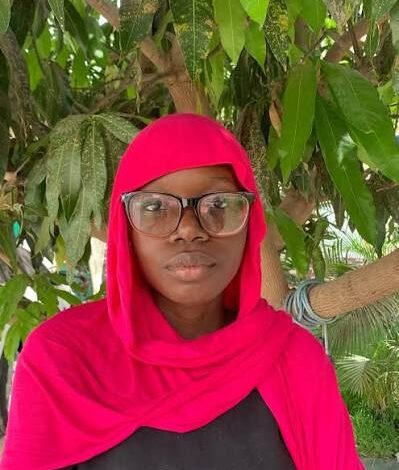
At a time when many conversations about children focus on their vulnerabilities and limitations, a remarkable Nigerian teenager is reminding the world of the immense potential that resides within every child when given the opportunity to think, innovate, and act.
Fifteen-year-old Raheema Auwal-Panti, from Minna, Niger State, Nigeria, has emerged as a shining example of what is possible when young people are encouraged to engage with the challenges around them and become part of the solution.
Her innovative project, PantiPads, has earned global recognition, securing a place among 35 shortlisted teams worldwide for the prestigious 2026 Earth Prize, an international initiative established by the Earth Foundation in Switzerland to empower and inspire young people to tackle environmental challenges through practical innovation.
Yet, beyond the recognition lies an even more compelling story, one that speaks to the power of empathy, creativity, resilience, environmental stewardship, and child leadership.
SEEING A PROBLEM OTHERS ACCEPTED
Across many communities in Nigeria and other parts of Africa, access to safe and affordable menstrual hygiene products remains a significant challenge.
For many girls, inadequate access to sanitary products affects their health, dignity, confidence, school attendance, and overall well-being. At the same time, the widespread use of conventional sanitary pads presents another challenge. Many commercially available pads contain significant amounts of plastic and synthetic materials that can remain in the environment for hundreds of years before decomposing.
While many people viewed these issues as ordinary realities of life, Raheema saw them as problems demanding solutions.
After discovering that some traditional sanitary pads contain as much as 90 percent plastic, she began asking an important question:
Could menstrual hygiene products be made safer for girls and safer for the environment at the same time?
Rather than waiting for adults, corporations, or governments to find an answer, she decided to become part of the solution herself.
TRANSFORMING WASTE INTO HOPE
In 2025, Raheema founded PantiPads, an initiative dedicated to producing environmentally friendly sanitary pads using low-grade agricultural waste materials.
Her innovation utilizes agricultural by-products such as:
- Cassava peelings
- Banana leaves
- Corn husks
- Other biodegradable plant materials
These materials are often discarded as waste, creating environmental concerns of their own. When poorly managed, agricultural waste can contribute to soil degradation, water pollution, and broader environmental challenges.
Raheema recognized an opportunity hidden within this challenge.
Instead of allowing these materials to become environmental hazards, she envisioned a system where they could be transformed into useful, biodegradable sanitary products that address both menstrual health needs and environmental sustainability.
Her approach demonstrates a profound understanding of the principle of the circular economy, ensuring that waste materials are repurposed into valuable products rather than becoming pollutants.
ADDRESSING MENSTRUAL STIGMA AND EDUCATIONAL BARRIERS
The significance of PantiPads extends far beyond environmental protection.
Across Africa, menstrual stigma remains a major public health and educational concern. Many girls face embarrassment, exclusion, misinformation, and inadequate access to menstrual hygiene products.
These challenges often contribute to:
- School absenteeism
- Reduced academic participation
- Lower self-esteem
- Health risks associated with unsafe menstrual practices
Raheema understands that menstrual dignity is not merely a health issue; it is a child rights issue.
By creating affordable and environmentally sustainable sanitary products, she is helping to remove barriers that prevent girls from participating fully in education and community life.
Her innovation highlights an important reality:
Protecting girls’ dignity is an essential component of safeguarding children.
A YOUNG ENVIRONMENTAL CHAMPION
Raheema’s motivation emerged from a simple but powerful conviction.
She wanted to help reduce plastic pollution in Nigeria.
Reflecting on her journey, she explained that even if others were not addressing the problem, she believed she could contribute to solving it.
This mindset reflects one of the most important lessons adults can learn from children:
Change often begins when one person refuses to believe that a problem is too big to solve.
Her story challenges the assumption that age determines impact. Instead, it demonstrates that vision, commitment, and courage are often more important than years of experience.
GLOBAL RECOGNITION FOR LOCAL IMPACT
Being shortlisted for the 2026 Earth Prize places Raheema among a select group of young innovators from around the world who are developing practical solutions to pressing global challenges.
The recognition validates not only her creativity but also the relevance of her work.
The issues she seeks to address, menstrual health, environmental sustainability, waste management, and girls’ education, are global concerns that affect millions of children and families worldwide.
Her achievement sends a powerful message to young people everywhere:
Local problems can inspire global solutions.
BUILDING FOR THE FUTURE
Although PantiPads is still in its developmental stages, Raheema has already begun thinking strategically about long-term sustainability.
Rather than rushing into large-scale production, she is focusing on learning from established manufacturers, building strategic partnerships, and understanding production systems thoroughly before establishing her own manufacturing facility.
This thoughtful approach reflects maturity, patience, and a commitment to building a sustainable enterprise rather than pursuing short-term success.
Her vision is clear:
To create accessible, environmentally friendly menstrual products while contributing to healthier communities and a healthier planet.
As we celebrate Raheema as our Global Children Spotlight of the Month, we are reminded that safeguarding children must include creating ecosystems where their ideas are valued, their voices are heard, and their innovations are supported.
The world needs more than children who adapt to the future. The world needs children who help create it.