Trump’s New Birthright Citizenship Orders Raise Concerns for Immigrant Children
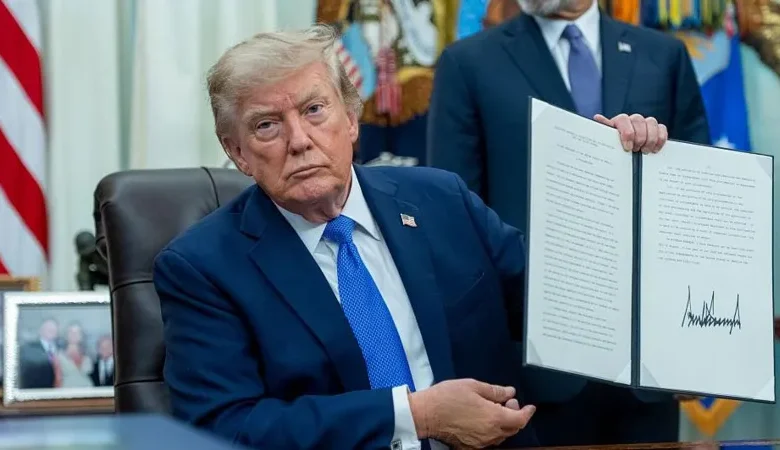
US President Donald Trump has taken another step to limit birthright citizenship, which may impact children born in the United States to immigrant parents.
Weeks after the Supreme Court blocked his previous executive order to repeal birthright citizenship, guaranteed by the 14th Amendment, Trump issued two more on Thursday.
One of the new orders would broaden the scope of non-citizen parents whose children would not automatically become citizens at birth. It applies to cases where both parents are non-citizens and one parent is affiliated with a foreign terrorist organization, has worked for a foreign government, has tried to become a citizen by fraud, or resides in some U.S. territories.
The second order is directed at “birth tourism” – people who travel to the US to give birth in order to gain citizenship for a child.
The policy has been a concern for the impact on children’s legal status, family stability and access to services. Uncertainty about a child’s citizenship status may add to the anxiety and vulnerability of immigrant families, especially in the context of immigration enforcement or potential separation.
The Trump administration says the steps are needed to stop exploitation of the citizenship laws.
But the policy is already stirring up legal and constitutional issues. University of California Davis law professor Gabriel Chin told the BBC that the president might have the power to limit birth tourism, but he doubted the president could decide that a child born in the US wasn’t a citizen.
The policy is still facing legal challenges, but its impact on immigrant children has brought children’s legal identity, family security and protection from immigration-related harm to the forefront of the debate.