Why the Push to Restrict Social Media Access for Under-16s Is Gaining Urgency

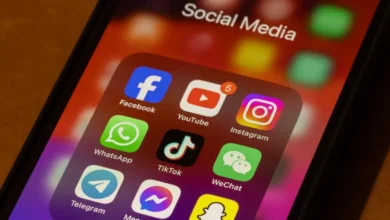
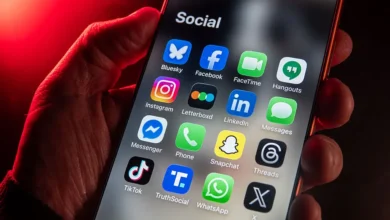
A renewed debate on a possible ban on social media use for children under 16 has been brought into public focus following a Sky News interview in which teenagers were asked to share their views. In the discussion, concerns were raised about safety, wellbeing, and online harms, while it was suggested by at least one student that stricter controls and protections might be more effective than a total ban. Through this exchange, young people were positioned not only as users of digital platforms but as stakeholders whose lives are directly shaped by online policy decisions.
Child Protection at the Center of the Debate
From a child protection perspective, the debate is being driven by growing evidence that social media platforms can expose children to serious risks. These risks are not limited to harmful content but extend to grooming, manipulation, harassment, and exploitation. When children are allowed unrestricted access to online platforms, opportunities are created for predators to reach them privately, often without adult supervision. As a result, concerns about safety are increasingly being framed as rights-based issues rather than matters of personal preference.
How the Policy May Help Prevent Abuse
A ban or strict age-based restriction has been widely discussed as a protective barrier. If implemented and enforced effectively, direct access between children and unknown adults could be significantly reduced. Online spaces often relied upon by predators for contact, grooming, and coercion could become harder to access. In this way, the risk of children being targeted may be lowered through reduced exposure and increased safeguards.
In addition, stronger age verification systems and child-centered platform design could be required under such a policy. Safer defaults, limited messaging features, and stricter moderation could be enforced, making exploitation more difficult and abuse easier to detect. Accountability could also be strengthened, as platforms would be placed under clearer legal obligations to protect young users.
Children’s Rights and Online Safety
At the core of the discussion lies the recognition that children’s rights must be upheld in digital spaces just as they are offline. The right to protection from abuse, the right to safe development, and the right to dignity are all implicated when children are exposed to unsafe online environments. When policies are introduced to limit harm, these rights are being actively defended rather than restricted.
Importantly, the inclusion of teenagers’ voices in the conversation reflects another key right. The right of children to be heard in matters affecting them is being acknowledged, even as decisions are shaped around their protection. This balance between protection and participation is central to a rights-based approach.
Beyond a Ban: The Need for Wider Safeguards
While a ban or restriction may reduce risks, it has also been widely recognized that no single policy can fully protect children online. Education, parental involvement, school-based digital literacy, and strong reporting mechanisms are often required alongside legal restrictions. Without these measures, children may still be exposed through alternative platforms or unsupervised access.
Final Thoughts
In a nutshell, the debate around banning social media for under-16s has been framed as a child protection issue rooted in safety and rights. By limiting access, strengthening platform responsibility, and reducing opportunities for exploitation, such a policy has been positioned as a tool to protect children and uphold their rights. At the same time, the voices of young people have been included, reinforcing the idea that protection and participation must move forward together in shaping safer digital futures for children.