
16-Year-Old Nigerian Genius Lands Apple Software Engineering Internship, Sparks Child Safeguarding Debate
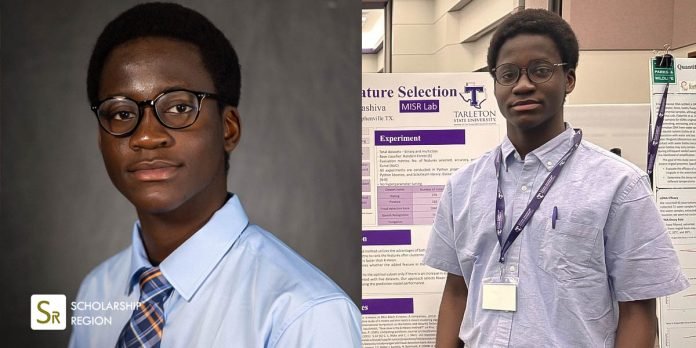
A 16-year-old Nigerian student, Ifechukwudeni Oweh, has drawn global attention after securing a software engineering internship with Apple. The achievement highlights both academic excellence and growing child safeguarding concerns for gifted minors in advanced learning spaces.
Oweh began university studies at just 14 years old. He is currently studying Computer Engineering at Tarleton State University in the United States. His latest milestone includes a four-month internship with Apple’s software engineering team.
Although widely celebrated, experts say such early exposure to high-pressure academic and corporate environments requires strong protection systems. They warn that gifted minors in university settings may face emotional strain and intense performance pressure.
In addition, safeguarding specialists stress the need for structured support. These include mentoring, mental health care, and age-appropriate welfare policies. They argue that academic success must not come at the cost of wellbeing.
Oweh’s academic work spans machine learning, network systems, and environmental modelling. His research reflects a growing trend of younger students entering advanced scientific and technical fields.
However, experts caution that institutions must remain alert. Universities hosting underage students should ensure clear safeguarding frameworks. This includes monitoring, guidance, and protection from isolation or exploitation risks.
International student welfare is also a key concern. Since Oweh studies abroad, child protection advocates highlight the importance of cross-border safeguarding systems. These systems help ensure that young students remain supported in unfamiliar environments.
Despite these concerns, his achievement is being praised as a major success story. It also shows how access to global education can unlock exceptional talent among young Africans.
Finally, child development experts continue to call for balanced policies. They say young prodigies should be protected while still allowed to thrive academically and professionally.