India’s Big Child Safety Move: Schools Set for Comprehensive Sex Education Rollout
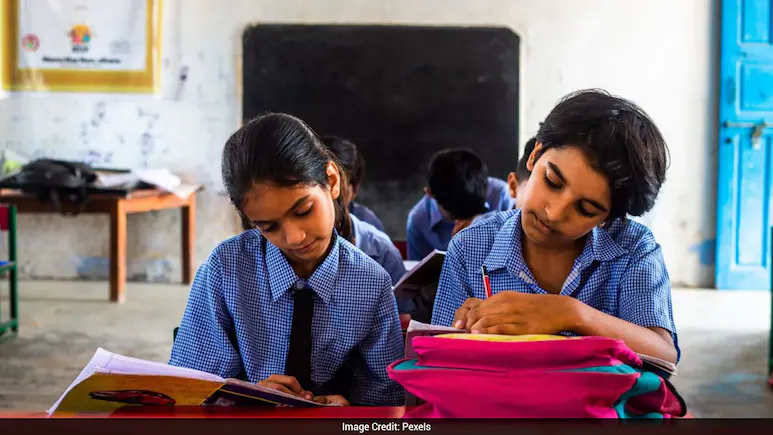
The Indian government has told the Supreme Court that it will establish comprehensive sex education for children in schools and colleges as part of measures to boost protection for children, increase awareness of safety and help them develop healthy habits.
The proposed programme is to be put in place once the Supreme Court approves and will be recommended by a national expert committee of 26 members, which includes education experts, child protection experts, psychologists, lawyers and government officials.
The committee’s recommendations include lessons starting from the primary school level appropriate to the child’s age, which will include body safety, body hygiene and teach the children the names of the body parts and how to know safe from unsafe touch.
Gradually, as children matured, the curriculum would include discussions about adolescent health, relationships, and decision-making and life skills. The panel suggested including compulsory sessions carried out by trained expert teachers in the schools regularly.
The committee also urged the National Council of Educational Research and Training (NCERT) to create a uniform curriculum so that the country can implement the same. It also suggested the possibility of parent and teacher engagement sessions in order to raise awareness about children’s developmental needs and the role of education in situating prevention of harm.
The transfer comes as a response to alarming incidents under the Protection of Children from Sexual Offences (POCSO) Act, such as that of child sexual abuse, child sexual exploitation and adolescent safety.
Educating children about their bodies, boundaries and personal safety is a key element of prevention, and has long been a key element of child safeguarding advocates. They state that age-appropriate teaching and effective reporting and environment can assist children to identify unsafe situations and to reach out for assistance if required.