Rising Fuel Costs Push Cambodia’s Floating Village Children Toward School Dropout, Work
As fuel prices continue to rise, children in floating villages in Cambodia are increasingly being affected by the difficulty in accessing school, due to higher costs for their families.
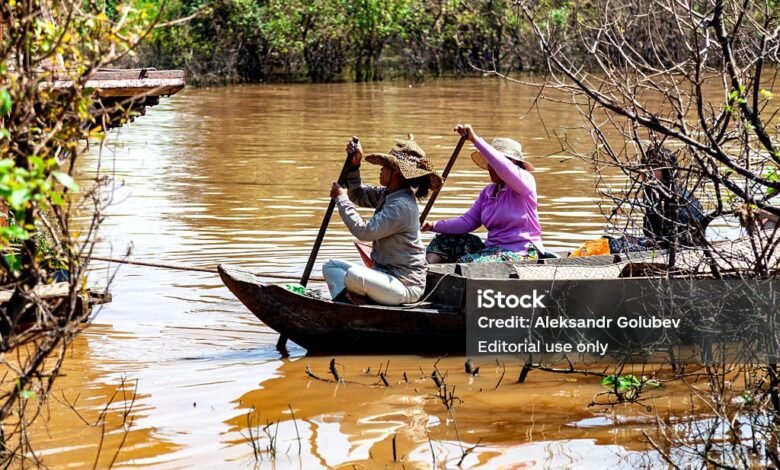
Boats are a common means of transport in Kampong Prahok, on Tonle Sap, between floating homes and school. Students help run the boats and others even climb on board each morning with their school bags well protected from the water.
The daily walk serves as a reminder of the obstacles children encounter in communities where education relies significantly on transportation and finances.
Higher fuel prices, which are connected to the Iran war have put additional pressure on transportation costs. The high cost of sending children to school can make it more difficult for families already facing basic need challenges to continue their education.
There are reports of some children leaving school and going to work to support their families. In terms of child protection this is an issue of children’s right to learning and their right to be growing up in a safe environment, away from economic pressures which can drive them early into work.
Learning is more than going into the classroom. It offers children opportunities to learn, build connections with others and enhance their future opportunities for safety and security.
In Cambodia, too, this is a reminder to keep education safe in times of economic crisis. Governments and partners should ensure the provisions of measures are further enhanced to ensure that vulnerable families can remain in school, such as providing affordable transport, school meal programmes and other social support.
Regardless of whether you are in a floating community or any other type of community, access to education is vital to the future of children and the impact of poverty and rising costs.