Children Spotlight of The Month: Meet Zuriel Oduwole
The Girl Who Used Filmmaking to Champion Girls’ Education
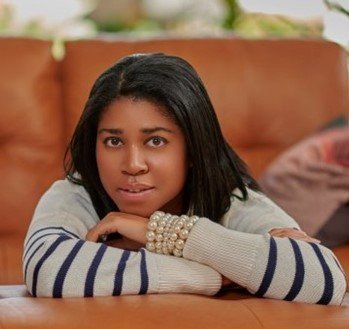
Born in Los Angeles to a Nigerian father and Mauritian mother, Zuriel developed an interest in filmmaking as a child. What began as a passion for storytelling soon became a platform for advocacy, particularly around girls’ education and children’s opportunities.
Her story is remarkable because she began using her voice while she was still a child.
Through filmmaking, public speaking and conversations with influential leaders, Zuriel demonstrated that children can contribute meaningfully to conversations about issues affecting their lives—when they are given safe and appropriate opportunities to do so.
From Filmmaking to Education Advocacy
Zuriel’s journey into advocacy began through filmmaking.
At around nine years old, she became interested in African history while working on a documentary project. Her research led her to Ghana and encouraged her to explore African stories and social issues.
Filmmaking gave her an unusual opportunity: she could ask questions, tell stories and communicate with people in positions of influence.
But her focus changed when she travelled in Africa and encountered children who were not attending school.
She saw children around her age working or selling items instead of being in classrooms.
For Zuriel, this was no longer just a statistic.
It was personal.
She began asking why some children had access to education while others did not.
That question became the foundation of her advocacy.
Dream Up, Speak Up, Stand Up
At about 10 years old, Zuriel launched Dream Up, Speak Up, Stand Up, an initiative focused on encouraging children, particularly girls, to value education and recognize their potential.
The message was built around three ideas:
Dream Up: Encourage children to imagine a better future.
Speak Up: Give children confidence to express their views and experiences.
Stand Up: Encourage young people to take positive action and contribute to their communities.
Her advocacy soon extended beyond filmmaking.
She began meeting and interviewing presidents, government officials and other influential leaders, using these opportunities to discuss education, girls’ rights and opportunities for young people.
Among the leaders she has engaged with are former Nigerian President Muhammadu Buhari, former Ghanaian President John Kufuor and former U.S. Secretary of State John Kerry.
In 2017, John Kerry recognized Zuriel’s work advocating for girls’ education and opposing child sexual abuse
Her experiences demonstrated that a child’s age does not automatically make their perspective insignificant.
However, her story also highlights an important safeguarding principle: children who participate in advocacy and public life must be protected from exploitation, pressure and inappropriate exposure.
Taking the Message Across Borders
Zuriel’s education advocacy grew into an international movement.
Her official biography reports that she has spoken to more than 51,000 young people across more than 20 countries about the importance of education.
Her engagements have included countries such as Nigeria, Ghana, Tanzania, Ethiopia, South Africa and Mozambique.
Her message has remained consistent:
Education can expand a child’s choices and possibilities.
Advocating Against Child Marriage
Girls’ education became closely connected to Zuriel’s advocacy against child marriages
She recognized that when girls are denied education or forced to leave school for marriage, their future opportunities can be severely restricted.
Recognition, Growth and Lessons
Zuriel’s work has received international recognition.
She has been featured by major media organisations, recognised for her education advocacy and invited to participate in international forums.
In 2017, former U.S. Secretary of State John Kerry recognised her advocacy for girls’ education and against child marriage.
In 2022, she received the Ban Ki-moon Leadership Award and spoke at the Global Citizen Festival, reaching a large international audience.
In 2025, USC Rossier reported that Zuriel had been nominated for the Nobel Peace Prize. A nomination should not be confused with being shortlisted for or winning the prize.
Her journey also continued beyond childhood. She graduated from UCLA in 2022 at age 19 and continued developing her academic and professional interests.
What Zuriel’s Story Teaches Us
- Children have a right to be heard
Children should not be treated merely as recipients of adult decisions. Their views and experiences matter, particularly on issues affecting their lives.
- Talent should be nurtured
Zuriel’s interest in filmmaking became a tool for communication and advocacy.
Parents and teachers should look beyond academic performance and recognise children’s creativity, curiosity, communication skills and other talents.
- Education creates possibilities
Education is more than classroom attendance. It can provide children with knowledge, confidence, skills and opportunities to participate in society.
- Children’s participation must be safe
This is one of the most important safeguarding lessons from Zuriel’s story.
When children participate in advocacy, media, public speaking or campaigns, adults must ensure that:
- Participation is voluntary and age appropriate.
- Children understand what they are participating in.
- Their privacy and dignity are protected.
- They are not exposed to unnecessary risks.
- Adults protect their best interests.
- Children are supported rather than pressured.
A child’s story should never become more important than the child’s wellbeing.
- Adults should create safe platforms
Supporting children’s voices does not mean placing adult responsibilities on children.
It means providing safe environments where children can express themselves, develop their talents and participate appropriately.
Reflection
Zuriel Oduwole’s story reinforces a fundamental principle of child safeguarding:
Children should be empowered to participate, but never exploited in the process.
A truly child-friendly and protective environment does not silence children. It gives them the confidence to speak, the opportunity to be heard and the protection they need to thrive.