Climate Crisis, Childhood at Risk: Why Protecting Children Must Be at the Heart of Climate Action.
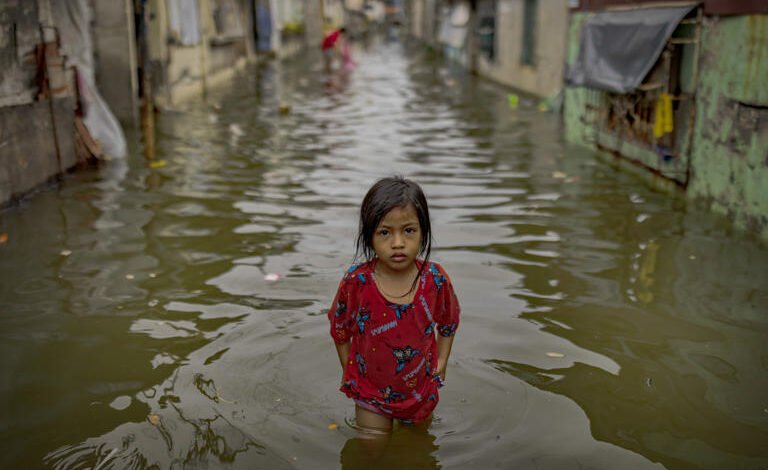
The climate crisis is no longer a distant environmental concern. It has become a direct threat to the lives, health, education, safety, and future of children worldwide. A recent report by UNICEF reveals a troubling reality: nearly every child on Earth is exposed to at least one climate hazard, while almost half of all children face multiple overlapping climate threats.
From devastating floods and prolonged droughts to extreme heat, wildfires, storms, and air pollution, children are increasingly bearing the consequences of a changing climate. These hazards do not merely affect the environment; they disrupt childhood itself.
The findings reinforce an urgent truth: climate change is also a child protection issue.
The Alarming Findings
According to UNICEF’s Children’s Climate Risk Report 2026, nearly all children globally are exposed to at least one major climate hazard. These include:
- Coastal flooding
- River flooding
- Drought
- Extreme heat
- Heatwaves
- Wildfires
- Tropical storms
- Sand and dust storms
The report estimates that:
- 1.8 billion children are exposed to drought.
- 1.2 billion children face extreme heat.
- 1.1 billion children are exposed to at least three climate hazards simultaneously.
- More than 4 million children face six or more climate hazards.
- Nearly every child is exposed to harmful air pollution.
- One billion children are exposed to malaria-related risks.
These overlapping threats place children’s health, nutrition, education, protection, and survival at significant risk.
UNICEF Executive Director Catherine Russell noted:
“The lives of children continue to be upended by the impact of heatwaves, wildfires, droughts, and floods. Half of the world’s children are now living with at least three overlapping climate threats shaping their daily lives.”
Why Children Are More Vulnerable
Children experience climate hazards differently from adults. Their bodies and immune systems are still developing, making them more vulnerable to heat, air pollution, infectious diseases, and malnutrition.
Climate shocks can affect children in several ways:
1. Health Risks
Extreme heat can lead to dehydration and heat-related illnesses. Poor air quality increases respiratory diseases, while changing weather patterns expand the spread of malaria and other infectious diseases.
2. Food Insecurity
Droughts and floods destroy crops, reduce food availability, and increase hunger. UNICEF estimates that climate-related food insecurity may contribute to approximately 28 million children becoming malnourished by 2050.
3. Disruption of Education
Climate disasters frequently damage schools, displace families, and interrupt learning. In 2024 alone, climate hazards disrupted the education of approximately 242 million children across 85 countries.
4. Protection Risks
Displacement caused by floods, droughts, or storms exposes children to heightened risks of exploitation, trafficking, child labour, violence, and family separation.
The Dangerous Cascade of Climate Hazards
One of the report’s most concerning findings is the interaction between multiple climate threats.
For example:
- Drought destroys crops and causes food shortages.
- Dry vegetation increases wildfire risks.
- Wildfires worsen air pollution.
- Heavy rains that follow drought can trigger flash floods.
- Floods damage homes, schools, and healthcare facilities.
- Displacement increases disease outbreaks and protection concerns.
This chain reaction creates what UNICEF describes as a “dangerous cascade” of overlapping hazards.
For children, these repeated shocks can affect physical health, mental well-being, educational attainment, and future opportunities.
Climate Change and Intergenerational Inequality
The Intergovernmental Panel on Climate Change (IPCC) warns that younger generations will experience climate impacts far more frequently than previous generations.
Children born around 2010 are expected to experience approximately four times more extreme climate events during their lifetime compared to older generations, even if global warming is limited to 1.5°C.
If global temperatures rise by 3°C, exposure to climate hazards may increase fivefold.
This raises important questions of climate justice and intergenerational equity. Children contribute the least to greenhouse gas emissions, yet they bear some of the most severe consequences.
The Paris Agreement and the 1.5°C Goal
Nearly 200 countries adopted the Paris Agreement in 2015 with the goal of limiting global warming to 1.5°C above pre-industrial levels.
Scientists have consistently warned that exceeding this threshold would significantly increase the severity of:
- Heatwaves
- Flooding
- Droughts
- Food insecurity
- Disease transmission
- Ecosystem collapse
Unfortunately, recent scientific assessments indicate that the world is not currently on track to meet the 1.5°C target.
Without urgent reductions in greenhouse gas emissions, climate risks to children will continue to intensify.
Global Climate Developments
Recent climate events further illustrate the growing challenges:
Europe’s Heatwaves
Several countries in Western Europe recently experienced record-breaking temperatures, reaching levels typically expected much later in the summer.
El Niño Concerns
Meteorological agencies have warned that the emerging El Niño pattern could become one of the strongest in decades, potentially causing:
- Severe droughts in parts of Asia.
- Excessive rainfall in the Americas.
- Agricultural disruptions globally.
Water Crisis in Mumbai
India’s financial capital recently experienced its driest June in over a decade, reducing water supplies for millions of residents.
Biodiversity Threats
Extreme rainfall and landslides in Indonesia have reportedly pushed the critically endangered Tapanuli orangutan closer to extinction.
These examples demonstrate that climate change affects not only human populations but also ecosystems, wildlife, and biodiversity.
Climate Change and Child Rights
Climate change directly affects several internationally recognized child rights, including:
- The right to life and survival.
- The right to health.
- The right to education.
- The right to protection.
- The right to development.
- The right to participation.
When schools are destroyed, children are denied education. When drought causes hunger, the right to adequate nutrition is compromised. When disasters displace families, children lose safety and stability.
Climate action therefore cannot be separated from child rights protection.
What UNICEF Recommends
UNICEF urges governments, businesses, and stakeholders to take three urgent actions:
1. Reduce Greenhouse Gas Emissions
Countries must accelerate efforts to reduce emissions and transition toward renewable energy while considering children’s best interests.
2. Prioritize Children in Adaptation Plans
National climate adaptation strategies should protect child-critical services such as:
- Schools
- Healthcare systems
- Water and sanitation facilities
- Child protection systems
3. Invest in Climate Education
Children should be equipped with knowledge, skills, and opportunities to participate in climate-related decision-making processes.
Conclusion
The UNICEF report delivers a powerful message: climate change is fundamentally a child rights issue.
Nearly every child on Earth now faces at least one climate hazard, while millions live at the intersection of multiple threats. Their health, education, protection, and future are increasingly at risk.
Addressing climate change is not simply about protecting the planet for future generations. It is about protecting children today.
Governments, institutions, communities, and families must recognize that safeguarding children now requires climate action. The decisions made today will determine whether future generations inherit a world of resilience and opportunity or one marked by escalating crises and lost childhoods.
As the climate crisis deepens, protecting children must become central to every conversation about sustainability, development, and human rights.