
When the Food that Should Nourish Children Becomes a Threat
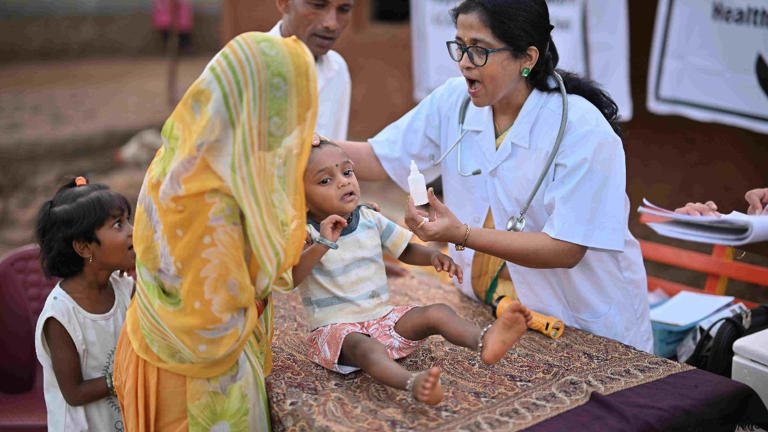
Every parent, caregiver, educator, and policymaker shares a common expectation: that the food placed before a child should nourish, strengthen, and protect them. Yet new findings from the World Health Organization (WHO) reveal a troubling reality. For millions of children around the world, food is not only a source of nutrition but also a source of illness, disability, and, in far too many cases, death.
According to new WHO estimates, contaminated food caused approximately 866 million illnesses and 1.5 million deaths globally in 2021 alone. While people of all ages are affected by unsafe food, children bear a disproportionate share of the burden.
Although children under the age of five represent only about 9% of the world’s population, they account for nearly one-third of all foodborne diseases worldwide. This stark imbalance reminds us that food safety is not merely a public health issue; it is fundamentally a child protection issue.
Why Children Are More Vulnerable
Young children face unique risks because their bodies and immune systems are still developing. The same contamination that may cause mild discomfort in an adult can result in severe illness in a young child.
Diarrhoeal diseases remain among the most common consequences of contaminated food and are particularly dangerous for children under five. In severe cases, these illnesses can lead to dehydration, malnutrition, hospitalization, and death.
The vulnerability of children extends beyond infectious diseases. Unsafe food can also expose them to harmful chemicals that may silently affect their health for years to come.
The Hidden Threat of Chemical Contamination
Much of the public conversation around food safety focuses on bacteria, viruses, and parasites. However, WHO’s findings highlight another danger that often receives less attention: chemical contamination.
The report reveals that chemical hazards were responsible for 73% of all deaths linked to contaminated food in 2021. Among the most concerning substances were inorganic arsenic and lead.
These chemicals can enter food through contaminated soil, water, industrial pollution, food processing practices, and environmental exposure. For children, the consequences can be especially severe.
Exposure to lead and methylmercury, for example, can interfere with brain development, affect learning abilities, reduce cognitive functioning, and contribute to lifelong developmental challenges. Unlike many foodborne infections that may eventually pass, the effects of toxic chemical exposure can remain long after the initial exposure has occurred.
A Global Challenge with Unequal Consequences
The burden of unsafe food is not distributed equally across the world.
According to WHO, Africa and South-East Asia continue to experience the highest rates of foodborne illnesses and deaths. Together, these regions account for nearly three-quarters of all foodborne illnesses globally and approximately 60% of related deaths.
These figures highlight the relationship between food safety and broader social conditions. Communities with limited access to clean water, adequate sanitation, effective food regulation systems, and quality healthcare often face the greatest risks.
For many families, food safety is not simply a matter of making better choices; it is influenced by the systems, infrastructure, and resources available to them.
The Economic Cost of Unsafe Food
Beyond the human suffering, contaminated food carries a significant economic burden.
WHO estimates that foodborne diseases resulted in approximately US$310 billion in lost productivity in 2021. When adjusted for differences in purchasing power across countries, the losses rise to an estimated US$647 billion.
Behind these figures are parents unable to work because they are caring for sick children, children missing school, healthcare systems managing preventable illnesses, and communities absorbing the long-term consequences of poor health outcomes.
Food Safety Is a Shared Responsibility
The WHO findings serve as a reminder that food safety cannot be viewed as the responsibility of one sector alone.
Governments play a critical role in establishing and enforcing food safety regulations. Businesses involved in food production, processing, transportation, and retail must uphold rigorous safety standards. Healthcare professionals, educators, and public health agencies contribute through awareness and prevention efforts.
Families also play an important role by practicing safe food handling, ensuring proper storage and preparation of food, and promoting hygiene practices within the home.
Protecting Children Through Safer Food Systems
The new WHO report arrives at a time when food safety faces growing challenges. Climate change, environmental pollution, population growth, and antimicrobial resistance are creating new risks that require coordinated action.
Yet the findings also provide an opportunity. Better data allows governments, institutions, and communities to identify the most significant threats and target interventions where they are needed most.
At its heart, the issue is simple. Every child deserves food that supports healthy growth and development rather than placing their future at risk.
Food safety is not merely about preventing illness. It is about protecting childhood, preserving human potential, and ensuring that the basic act of eating remains what it should always be: a source of life, health, and hope.