
Mother in Hiding Over Viral Children’s Book Complaint Sparks Child Safety, Human Rights Debate
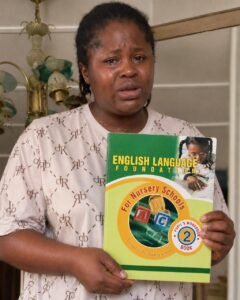
The unfolding case of a Nigerian mother who claims she is in hiding after criticising the content of a children’s book has evolved beyond a viral moment into a serious child protection and safeguarding issue.
At its core, the incident highlights the responsibility of adults, institutions, and society to prioritise the welfare of children, both in the content they consume and in how related disputes are handled. The mother’s concern stemmed from a graphic passage involving animal cruelty in a book reportedly used by her five-year-old child. From a safeguarding standpoint, such content raises valid questions about age-appropriate materials and the psychological impact of exposing young children to violence.
Support for the mother has grown, with Inibehe Effiong confirming that he and his legal team have taken up the case. This development signals a shift toward formal legal scrutiny and reinforces the seriousness of the allegations surrounding threats and intimidation.
Equally important is the role of media organisations and digital audiences. As the story gains traction, there is a growing risk of indirect harm to the child involved. Ethical reporting standards require that children’s identities, images, and personal details be protected. Amplifying the story without adequate safeguards could expose the child to stigma, emotional distress, or long-term digital footprints that may affect their future. Child protection principles demand that the best interest of the child remains paramount at all times.
The situation also raises critical rights-based questions within Nigeria’s democratic framework:
- Does a parent not have the right to question materials they consider harmful to their child
- Should caregivers be excluded from decisions about what children are taught in schools
- What are the limits of freedom of expression under the law
- Does expressing concern, even if controversial, constitute a criminal offence
- And crucially, can alleged wrongdoing justify intimidation, threats, or extrajudicial actions
These are not abstract questions. They sit at the intersection of child safeguarding, human rights, and accountability. While publishers and institutions have the right to defend their work, any response must remain within the bounds of the law.
Ultimately, this case underscores a broader principle. Protecting children goes beyond regulating content. It includes safeguarding the environment in which concerns about their welfare are raised.