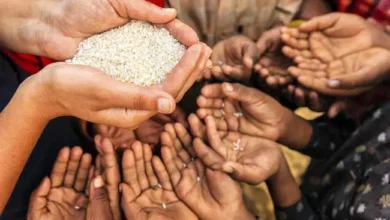
Nigeria Among Countries Facing Severe Hunger Crisis Threatening Millions of Children
Nigeria has been named among the top 10 countries facing the world’s worst food crises, raising urgent concerns over the survival and well-being of millions of children, according to a new global report.
The 2026 Global Report on Food Crises, released by a coalition of UN agencies, the European Union and partners, shows that 266 million people across 47 countries experienced acute food insecurity in 2025. Nigeria is listed alongside conflict-affected nations such as Sudan, Yemen, and the Democratic Republic of the Congo, which together account for two-thirds of the world’s most severe hunger cases.
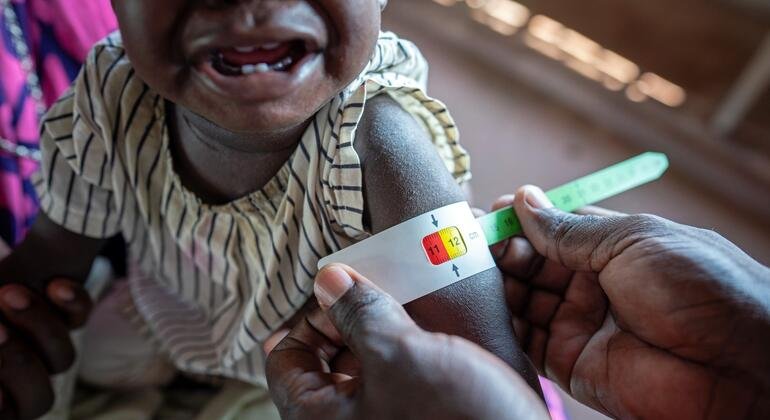
From a child rights and safeguarding perspective, the findings highlight a growing threat to children’s right to survival, health, and adequate nutrition. The report estimates that 35.5 million children globally are acutely malnourished, including nearly 10 million suffering from severe acute malnutrition, a life-threatening condition that significantly increases the risk of death from otherwise preventable illnesses.
Health experts warn that malnutrition weakens children’s immune systems, making them more vulnerable to common infections and reducing their chances of healthy development. In high-risk regions, overlapping challenges such as conflict, displacement, and limited access to healthcare are worsening outcomes for children.
In Nigeria alone, earlier UN data suggested that 35 million people are at risk of acute hunger this year, underscoring the scale of the crisis affecting households and children nationwide. Aid agencies say displaced families and those in conflict-affected areas are particularly exposed, with children often bearing the greatest burden.
The report also raises concern over declining humanitarian funding and growing gaps in food security data, warning that the true scale of child hunger may be even higher than reported.
UN officials describe the situation as a structural crisis rather than a temporary shock, calling for urgent investment in both emergency food aid and long-term systems that protect local food production and child nutrition.
Child rights advocates stress that without immediate and sustained intervention, millions of children risk being pushed further into hunger, illness, and preventable loss of life..