Twin Girls Born After 14-Year IVF Struggle and 5 Miscarriages Fight for Life in Intensive Neonatal Care in Singapore

Twin girls born in Singapore after a prolonged 14-year fertility journey are currently receiving specialised neonatal care following a preterm delivery at 31 weeks, underscoring the critical role of intensive medical support in safeguarding the survival and development of premature infants.
The babies, Annette and Anya, were delivered after their mother, Josephine Foong, 41, underwent eight cycles of in-vitro fertilisation (IVF), multiple miscarriages, and a long period of fertility challenges complicated by polycystic ovary syndrome and a later diagnosis of stage 2 breast cancer. The couple’s journey included years of treatment interruptions due to cancer care before resuming fertility efforts in 2024.
Medical professionals ultimately supported a final IVF attempt using the couple’s remaining two frozen embryos, which resulted in the twin pregnancy. However, the pregnancy was classified as high-risk and ended in premature delivery at 31 weeks, requiring immediate neonatal intervention.
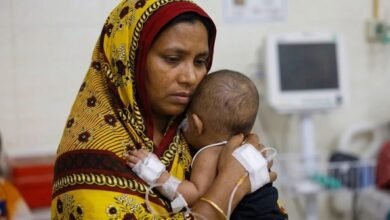
Following birth, both infants required oxygen support and close monitoring in a neonatal intensive care unit, where they remained for over a month. Their condition reflects the vulnerabilities commonly associated with preterm births, including underdeveloped respiratory systems and increased susceptibility to complications in early life.
Healthcare teams in Singapore continue to prioritise stabilisation, growth monitoring, and developmental support to ensure the best possible outcomes for the twins. Specialists emphasise that neonatal intensive care plays a crucial role in bridging survival and long-term health for premature babies, particularly those born following high-risk pregnancies.
While the parents’ long fertility journey forms part of the broader medical context, clinicians underscore that the primary focus remains the health, protection, and developmental progress of the children. The case also reflects a growing trend of births to mothers in their 40s, alongside advances in reproductive medicine and neonatal care systems that improve survival rates for high-risk newborns.